
On October 2nd, TDK announced the development of a “meta-optics mirror” for smart glasses, and that they have successfully demonstrated its use in combination with a Direct Retinal Projection (DRP) display. I had the opportunity to experience it firsthand at a press conference, and it seems that the actual device will be on public display at the TDK booth at CEATEC 2026, which will be held at Makuhari Messe from October 13th (Tue) to 16th (Fri), 2026.
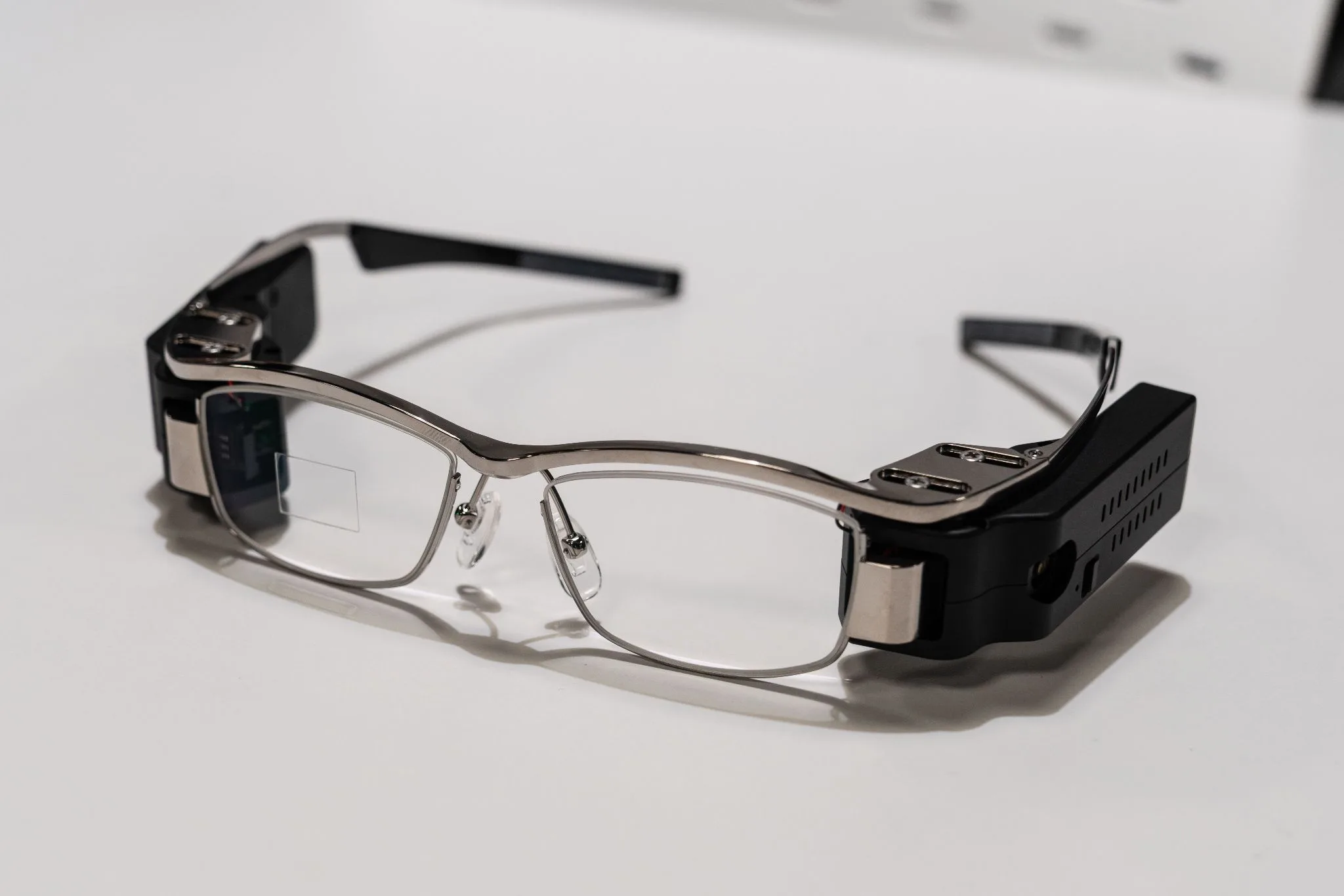
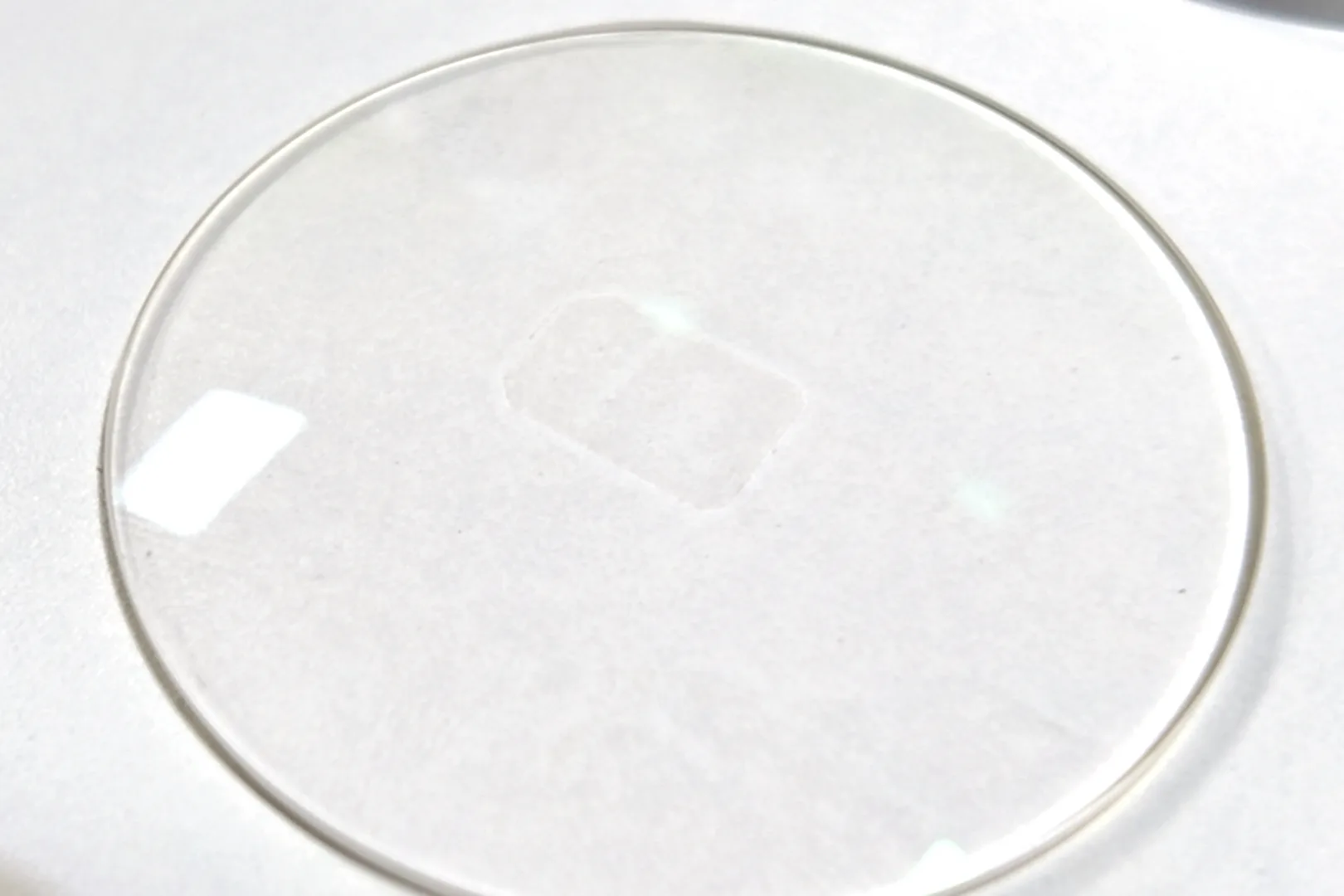
This mirror is approximately 150 nm (nanometers) thick. This is about 1/500th the thickness of a human hair, so it would be virtually unnoticeable if embedded in eyeglass lenses. Furthermore, it has a high visible light transmittance of 80%, which reduces rainbow patterns caused by light interference, making it a component that can be used to create smart glasses with a natural appearance.
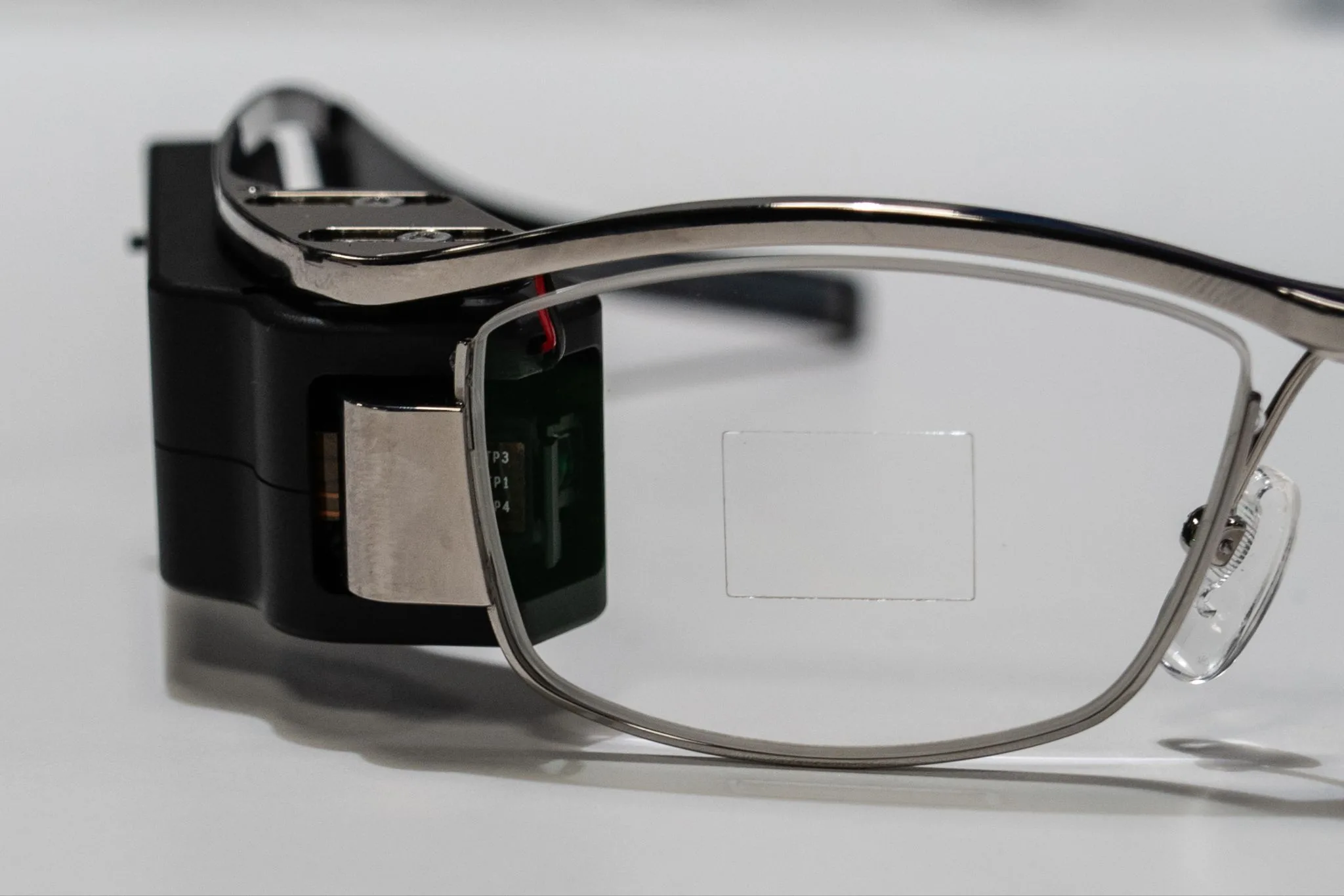
Simply put, it’s a potential rival to birdbaths (an optical system combining a half-mirror and a concave mirror) used in entertainment display glasses, and optical waveguide displays (a system that traps light using thin, transparent glass or resin plates and uses reflection to reach sunlight) used in AI glasses with displays. It’s a new technology that can also be expected to lead to lighter weight and lower costs.
TDK positions smart glasses as a growth area.
While some may associate TDK with recording media, it is fundamentally an electronic components manufacturer. Starting with the industrialization of ferrite (magnetic material), the company expanded its business to magnetic tape and magnetic heads for HDDs, and currently focuses on batteries, sensors, and magnetic application products.
TDK positions the AI ecosystem, which includes AI data centers with AI servers and storage, backup power supplies to support these facilities, industrial semiconductor manufacturing equipment, drones, and autonomous vehicles, as a growth area, and smart glasses, which serve as input and output devices for users, are also included in this area. In 2022, they unveiled smart glasses with a field of view of approximately 40 degrees, combining an ultra-compact full-color laser module (FCLM) under development with QD Laser’s direct retinal projection technology. In 2024, they also announced laser control devices, and since 2026, they have been involved in a series of M&A deals related to smart glasses technology.
Tracing the origins of this meta-optics mirror technology leads us back to magnetic heads for HDDs. It was made possible by applying the thin-film formation and microfabrication technologies accumulated during the development of HDD magnetic heads.
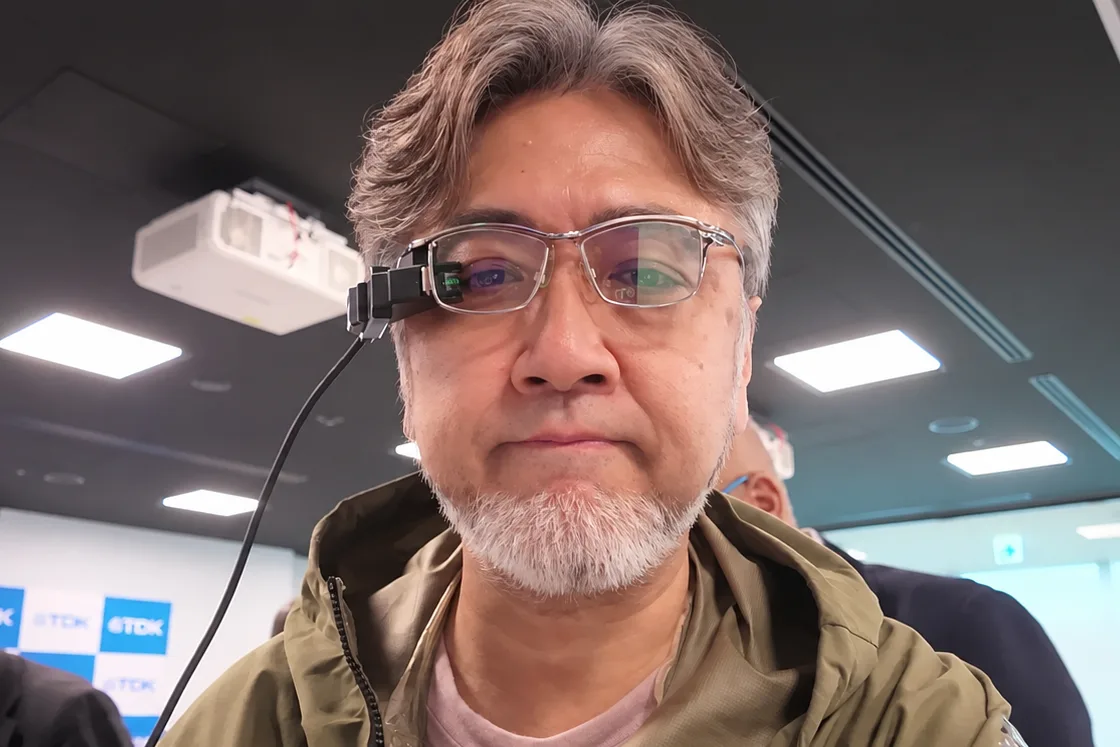
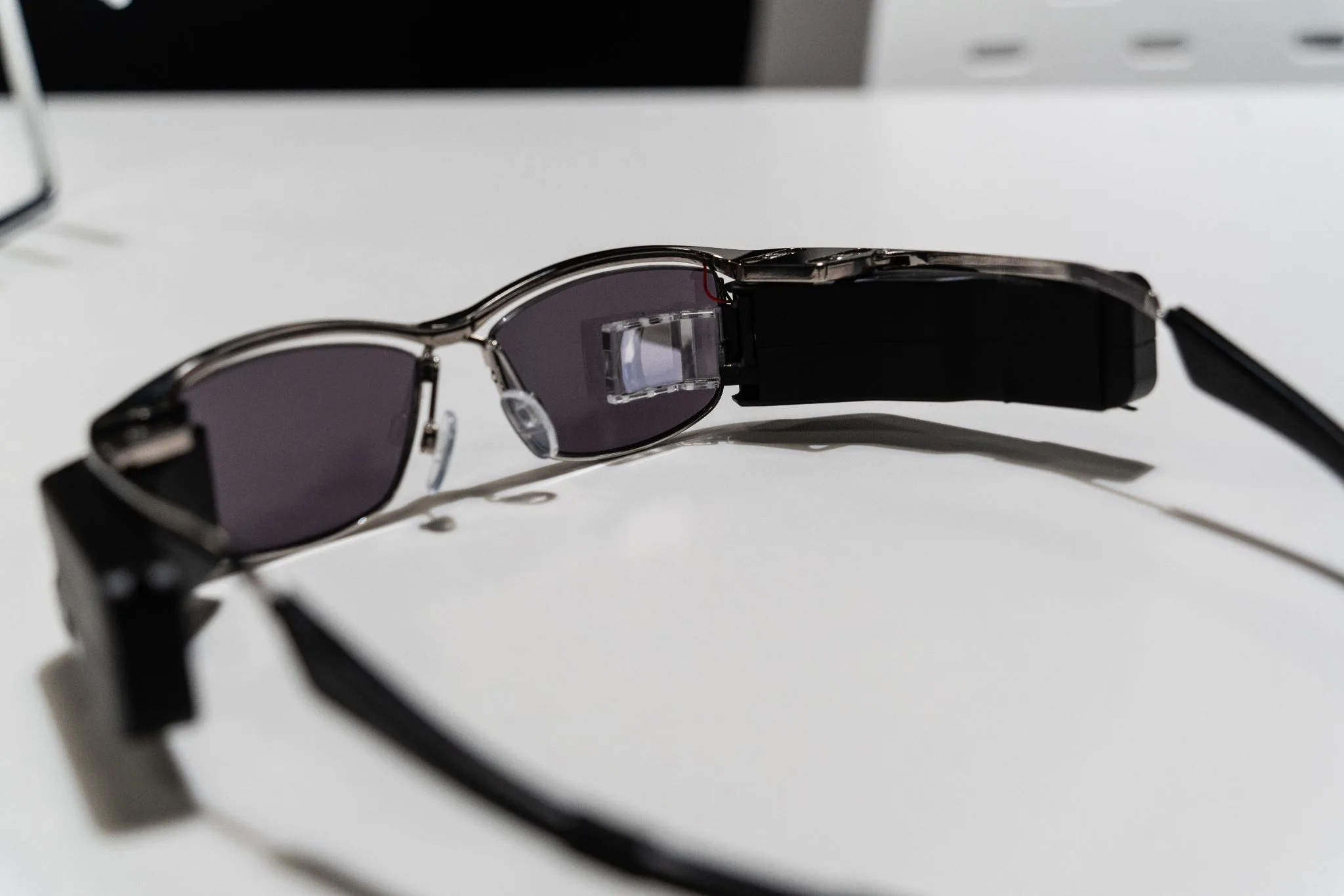
Even with smart glasses, our B2B stance remains unchanged. We will be participating by providing optical engines (light engines) and other components to smart glasses manufacturers. The model announced this time is merely a demo unit. Its appearance, which resembles Google Glass (an older model announced in 2013), should be considered merely an example of a product still under development.
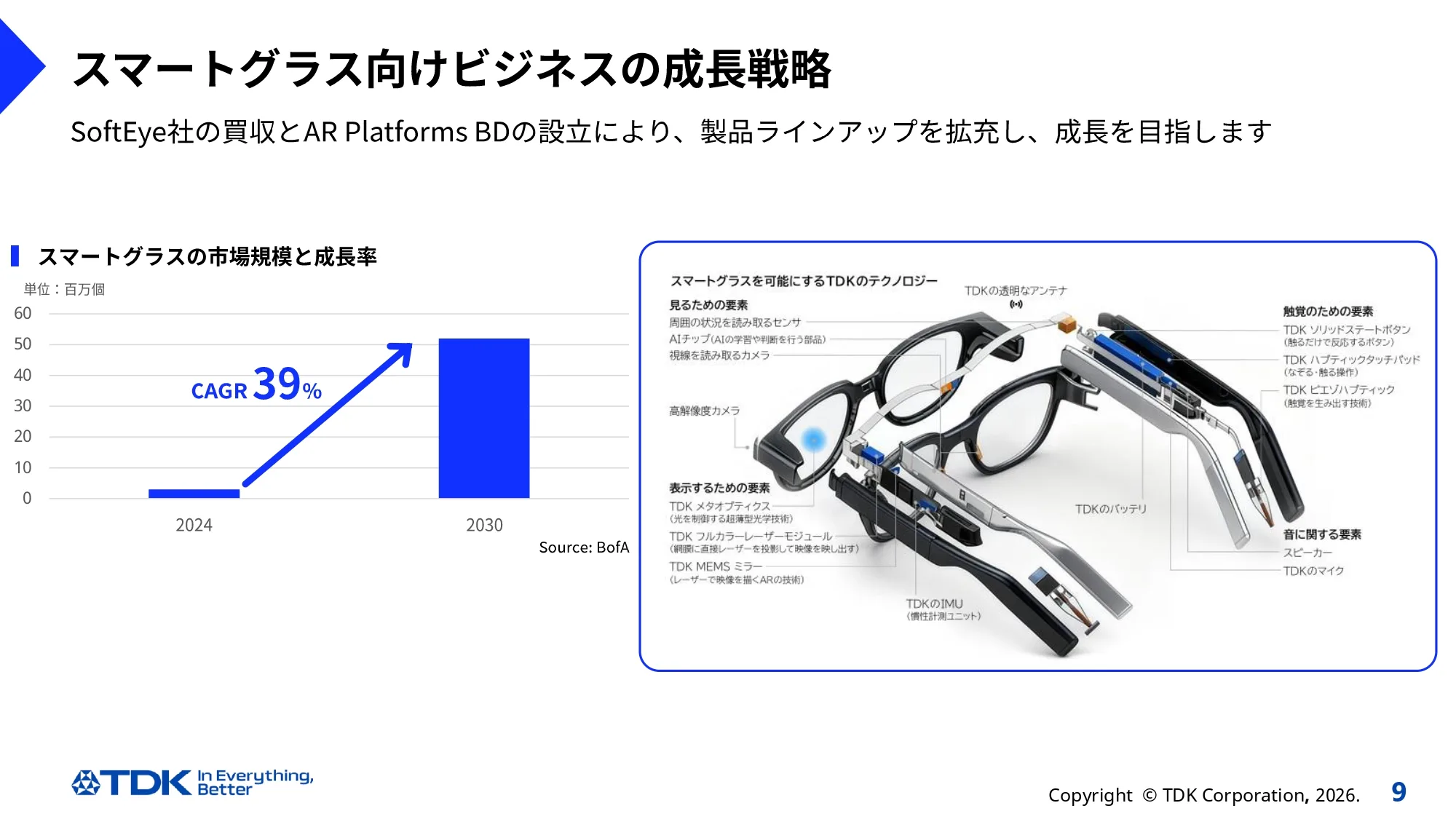
For reference, the distributed materials included an illustration demonstrating that TDK’s technology makes it possible to develop smart glasses that conform to the universal dimensions of eyeglasses.
Retinal direct imaging system developed with QD laser
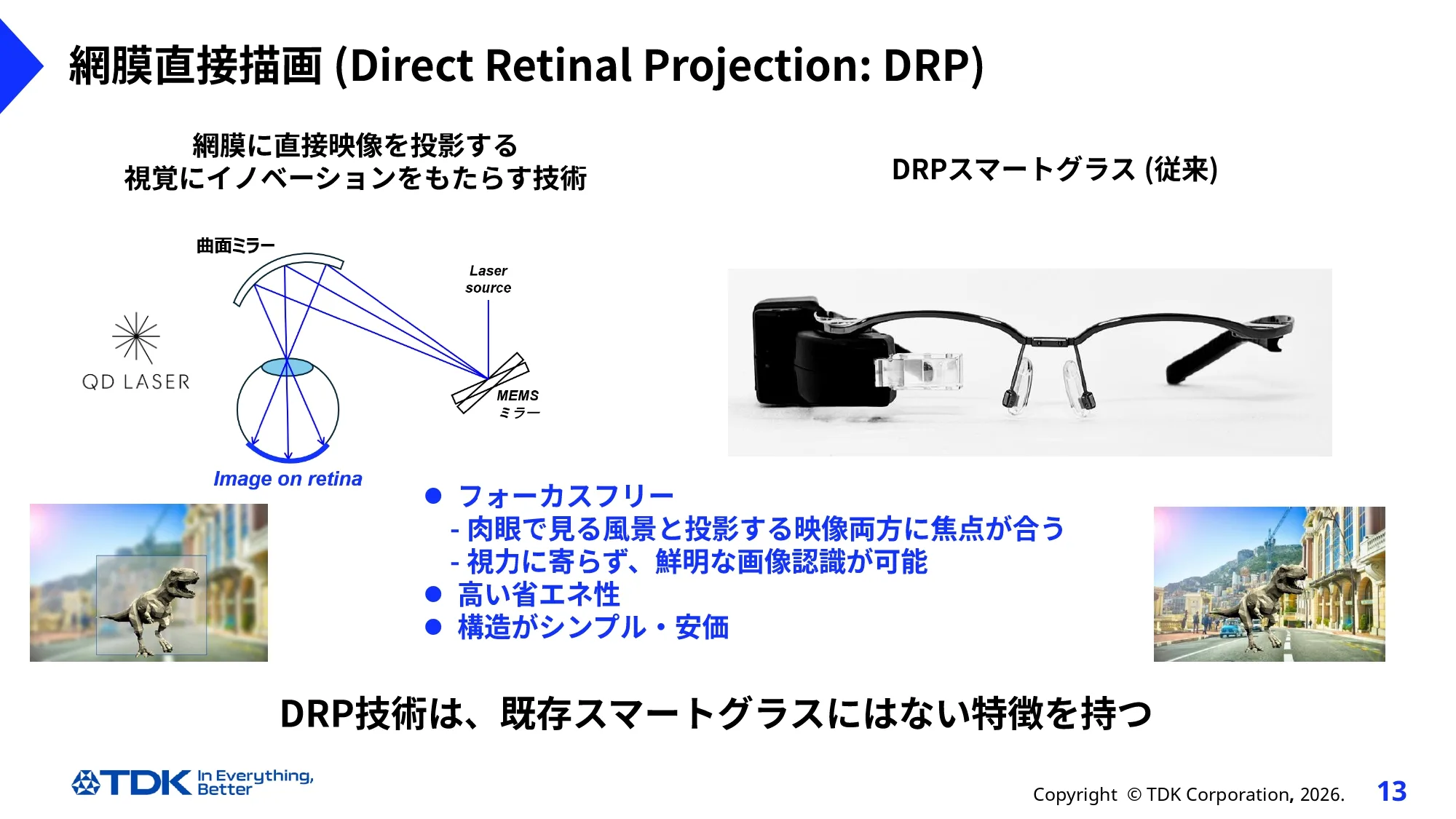
TDK’s currently developing DRP display is a method that delivers laser light to the eyeball and projects images directly onto the retina. Its most distinctive feature is focus-free operation. Since it focuses on both the view seen through the lens with the naked eye and the projected image, it is a suitable technology for enterprise-grade AR glasses and AI glasses with displays.
One of its strengths is that the projected image is not affected by the wearer’s eyesight. Because it is not affected by the cornea or lens, a sharp image can be seen regardless of whether the wearer is farsighted, nearsighted, astigmatic, or presbyopic. Furthermore, the amount of light required for projection is small, about 1 μW, making it highly energy-efficient. Its simple structure and low cost are also advantages.
However, conventional glasses equipped with DRP displays used thick, curved mirrors.
This optical technology uses laser light entering from various angles to reflect off the spherical shape of the eyeball, ensuring that the light reaches the curved retina correctly. However, TDK itself acknowledges that it “lacks style.” Perhaps they believe that despite its advantages such as low cost and light weight, this system will not become widely adopted.
A 150nm ultra-thin flat mirror delivers light to the retina.
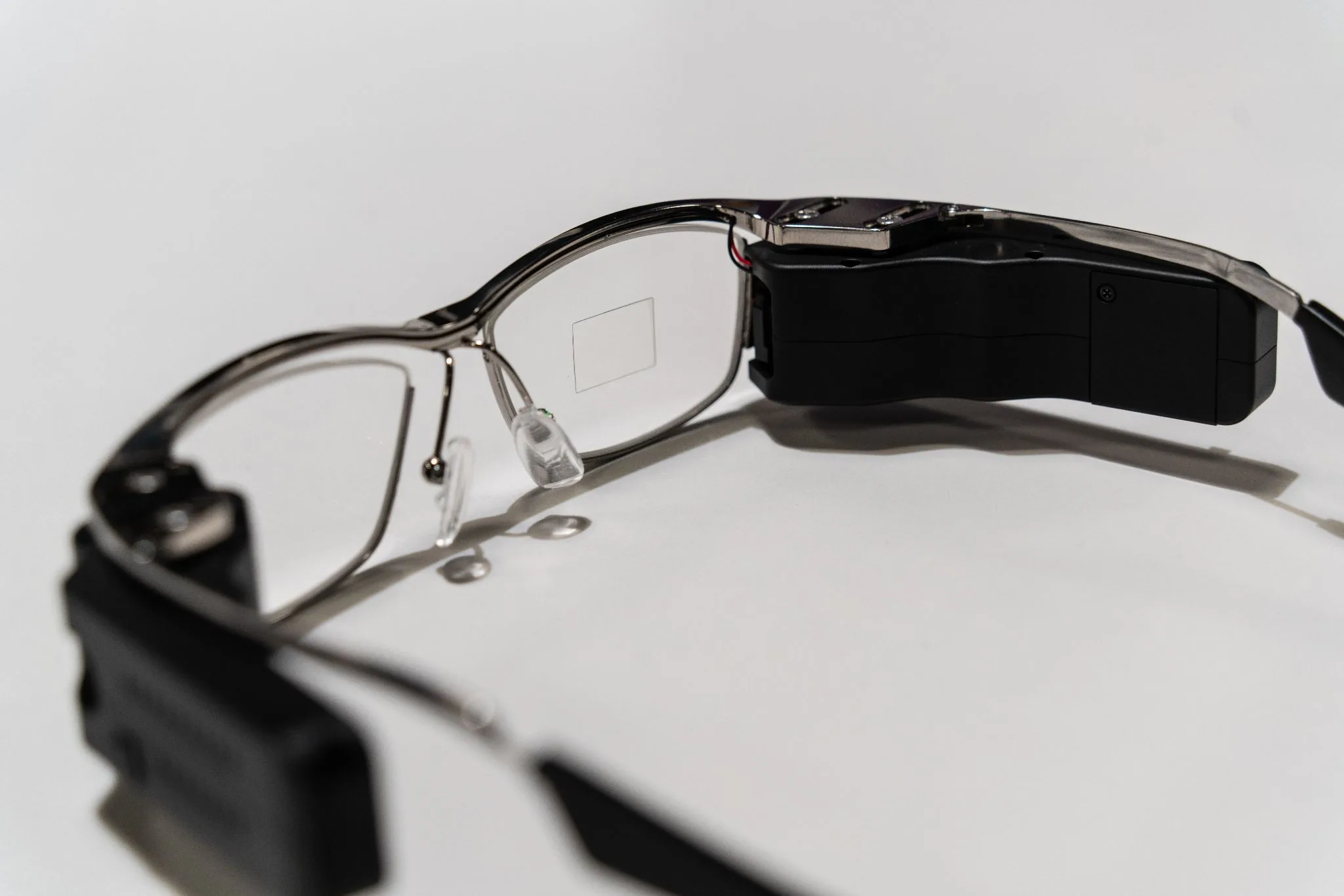 That’s where the newly announced meta-optics mirror comes in. How can a flat surface deliver light correctly to the retina?
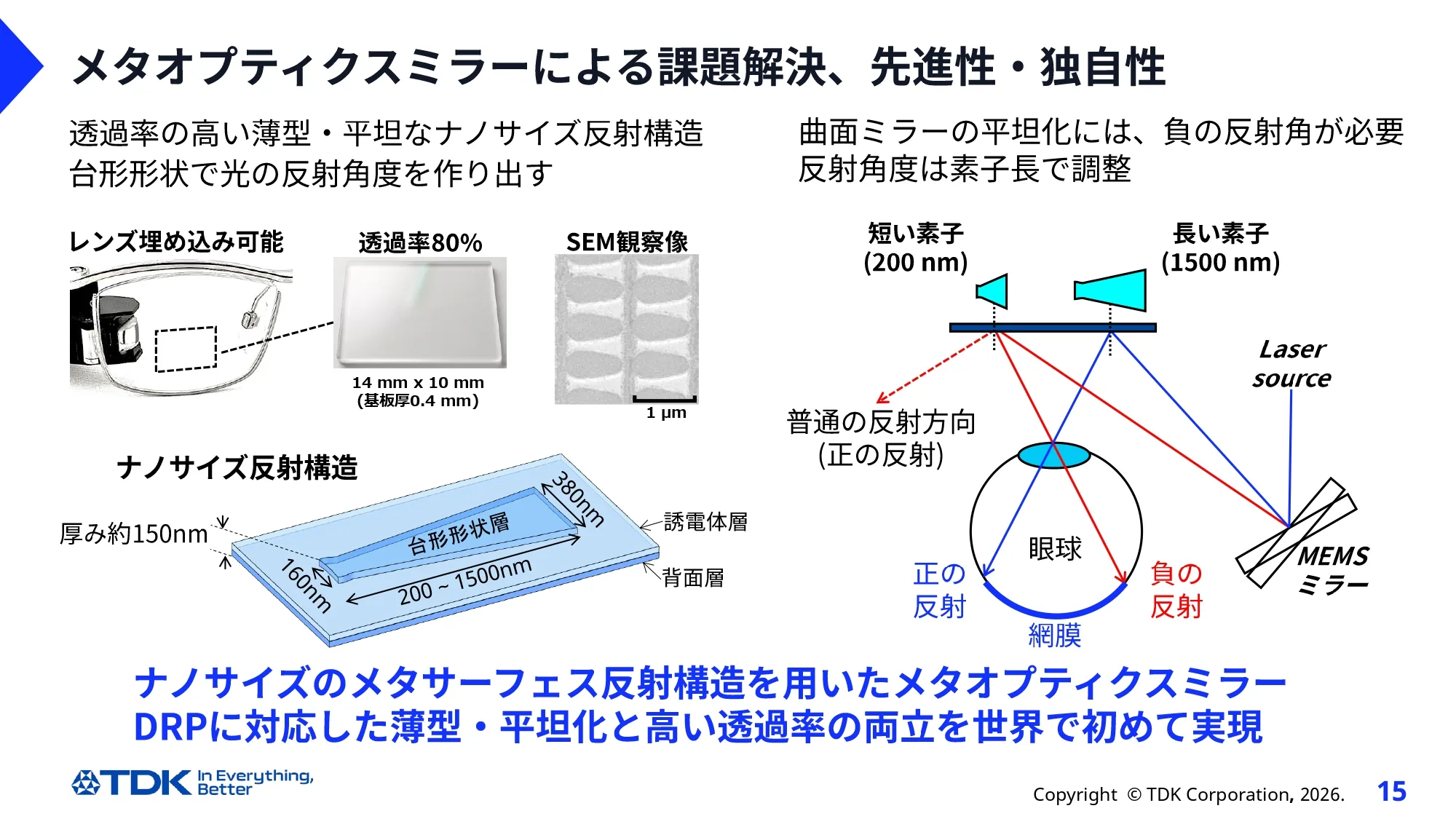
In fact, a mirror of approximately 150 nm is made up of multiple structures, within which nano-sized trapezoidal reflective elements are arranged. The angle of reflection is controlled by the shape and length of these elements.
Furthermore, the rainbow-colored unevenness caused by optical interference, which is often seen in waveguide displays, is reduced because the meta-optics mirror is thinner than the wavelength of visible light. Since the image does not leak to the person facing it, the visual discomfort is also reduced.
There are also manufacturing advantages. Because it can be manufactured using the same processes as semiconductors, it is more advantageous than optical waveguide displays in terms of manufacturing processes, number of components, and cost.
A full-color version is also currently undergoing basic testing.
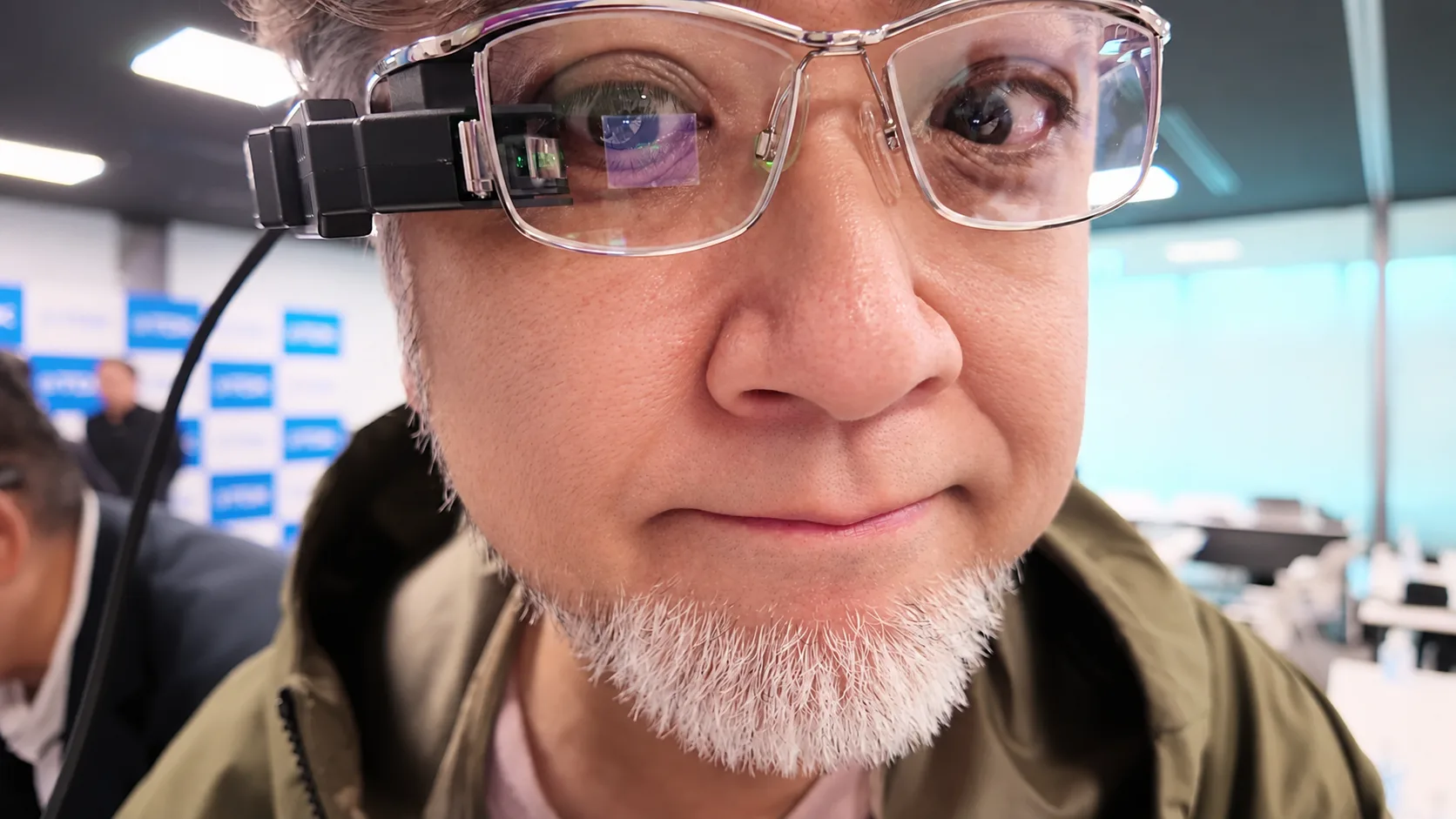
The demo unit I experienced displayed monochrome light using green light, with a diagonal FOV (field of view) of 45 degrees and a resolution of 750p. Because the sweet spot is narrow, careful adjustment of the height and angle between the eyeball and the meta-optics mirror is necessary. However, once properly fitted, even small text is displayed sharply and is easy to read. Compared to optical waveguide displays, I felt there was no inferiority in image quality.
This monocolor DRP display will be exhibited at CEATEC 2026, and preparations for commercialization will begin at the end of 2026. Basic verification of the full-color version is underway from 2026 (the FCLM = full-color laser module has already been announced), and demo glasses are scheduled to be produced in March 2027. The goal is to begin mass production within a few years from there.