
One by one, black handprints appear on the streets of Azabudai. The real world seen through the smartphone screen is covered in signs that indicate the presence of the dead in the world of “DEATH STRANDING”—.
Kojima Productions’ 10th anniversary exhibition, “BEYOND THE STRAND: A Voyage of Creation and Challenge,” will be held at the Azabudai Hills Gallery in Tokyo from October 31 to December 20, 2026. Hideo Director Kojima himself appeared at a media preview held prior to the opening.
This exhibition is packed with highlights, including never-before-seen production materials and large-scale installations, but it also features noteworthy content in the field of XR. These include “DEATH STRANDING ODRADEK: TOKYO PROTOTYPE,” a location-based AR experience developed in collaboration with Spatial Niantic, and VR content that allows visitors to tour Productions Kojima’ offices using Quest Meta 3.
*Note: Some parts of Director Kojima’s representative questions and the interview with the AR app team have been modified for readability.
Experience Kojima Productions’ past and future through realistic exhibits and VR.
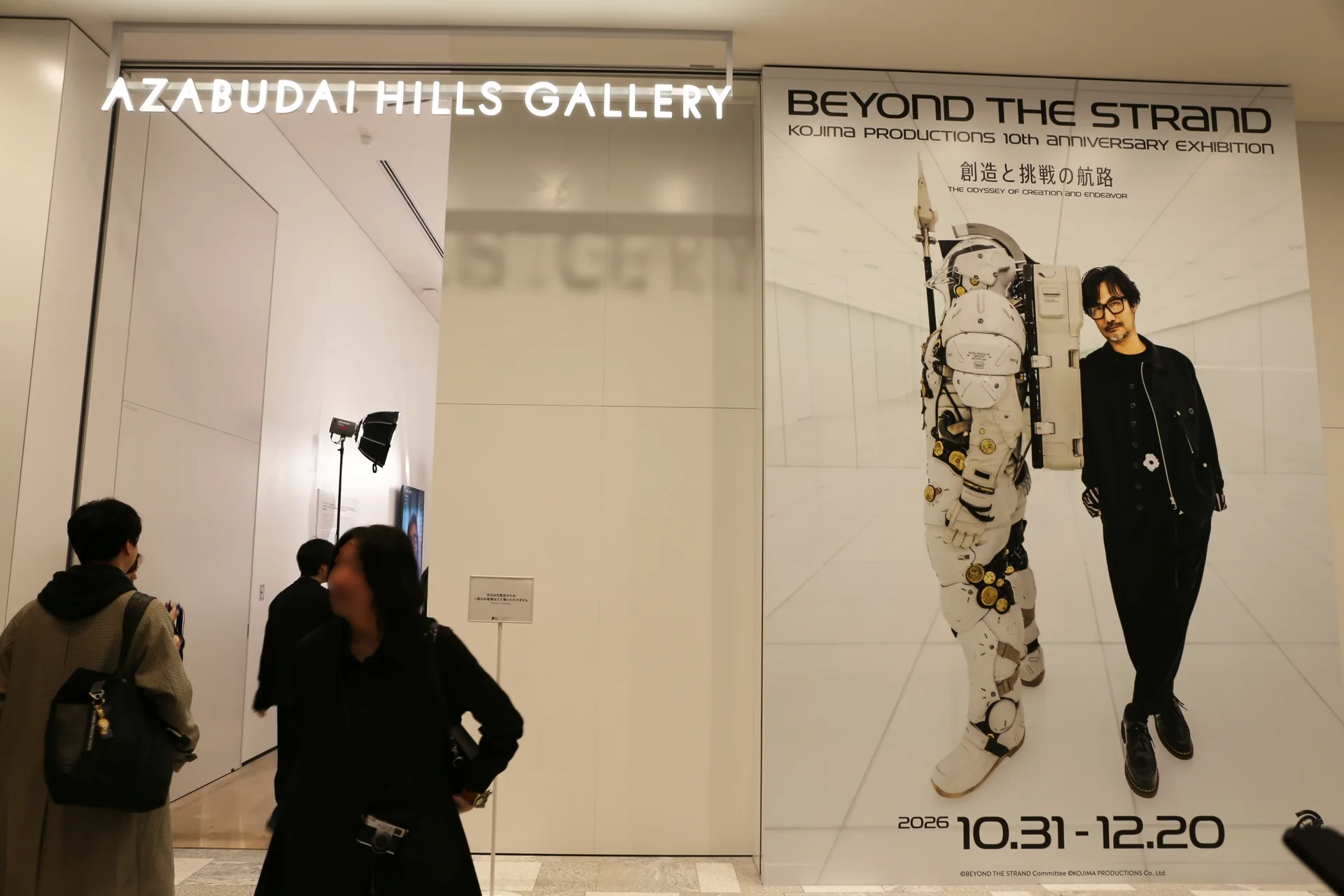
This exhibition is the largest ever held by Kojima Productions, tracing the studio’s activities since its establishment in December 2015 across three phases.
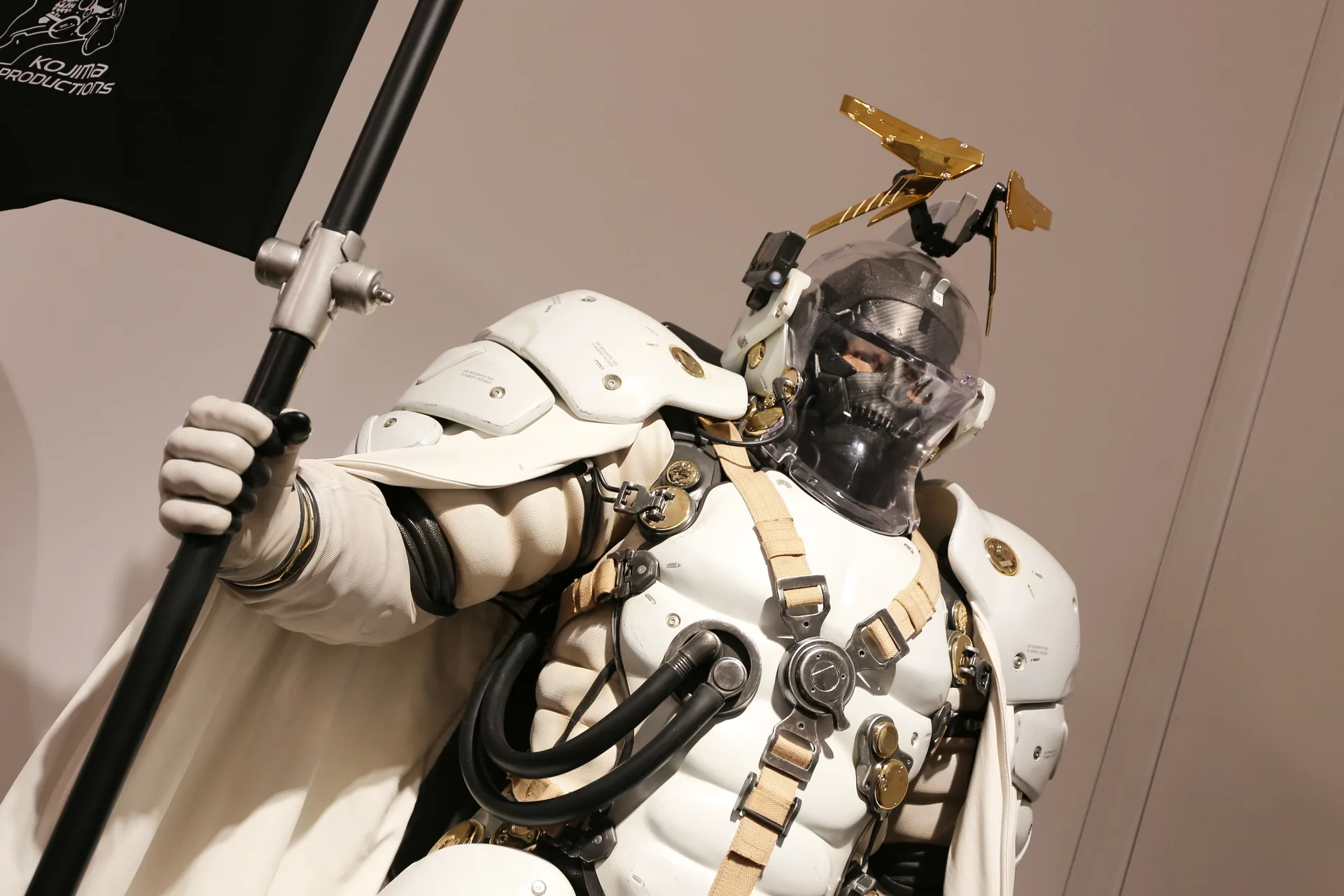
According to the venue’s explanation, these three phases, announced to mark the 10th anniversary, represent both the studio’s “past journey” and its “future direction.” The exhibition is a retrospective looking back at the past, but it also contains a declaration of the future. That is the core of this exhibition.
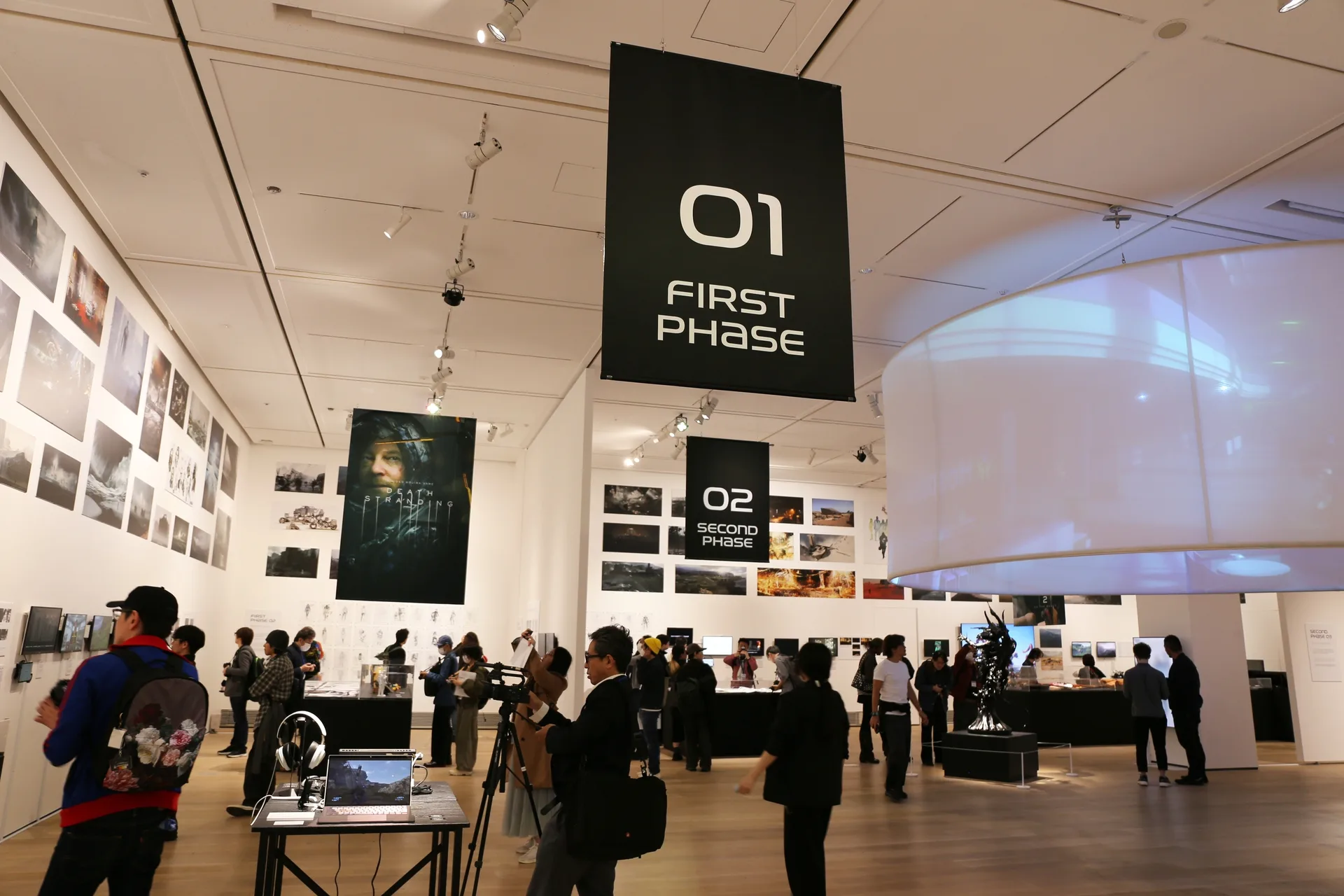
The motto for “FIRST PHASE” is “Until something no one could imagine becomes a game.” Phase 1 spans from 2015 to 2019, the period when “DEATH STRANDING” was created with the aim of developing a new IP.
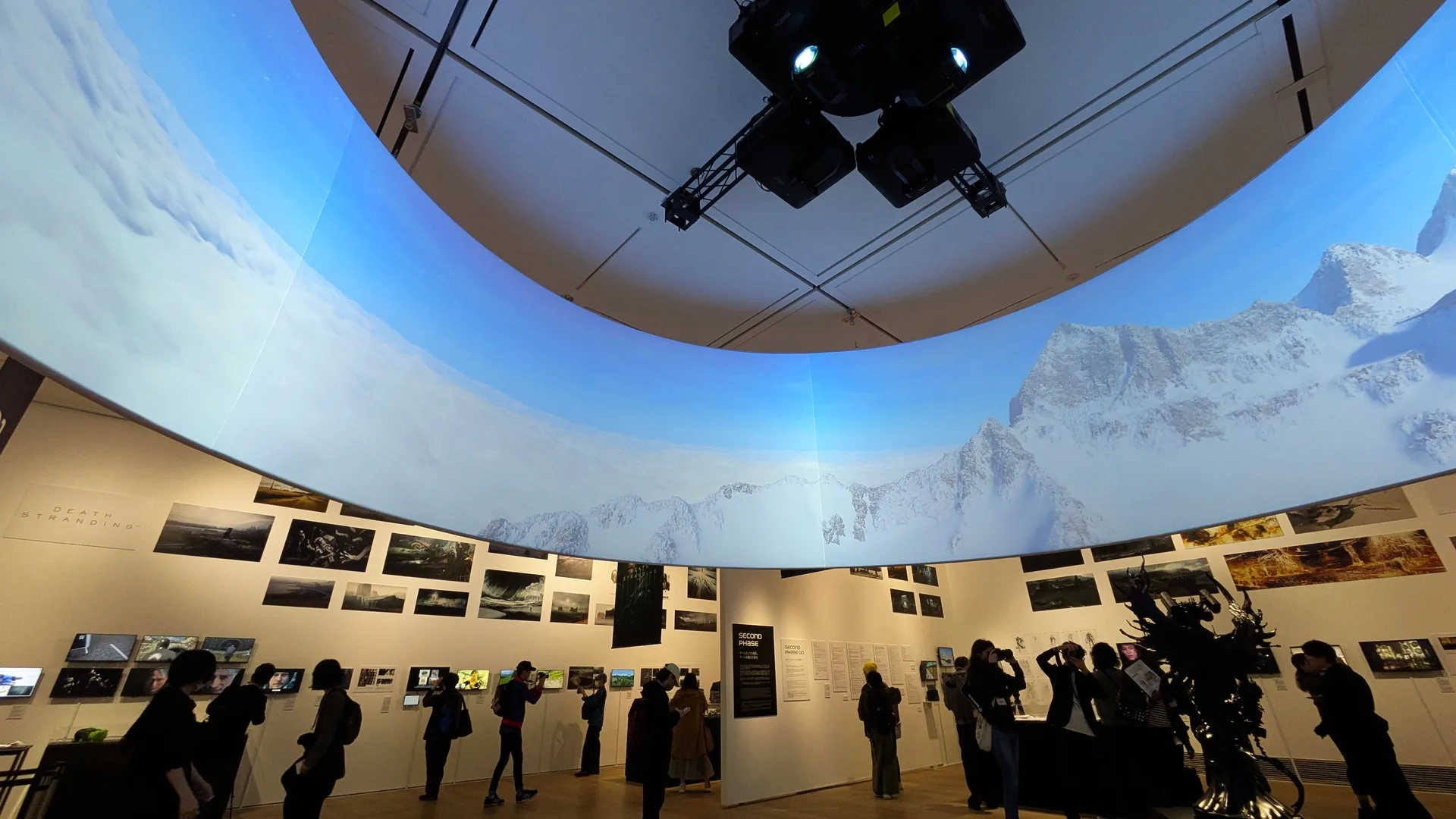
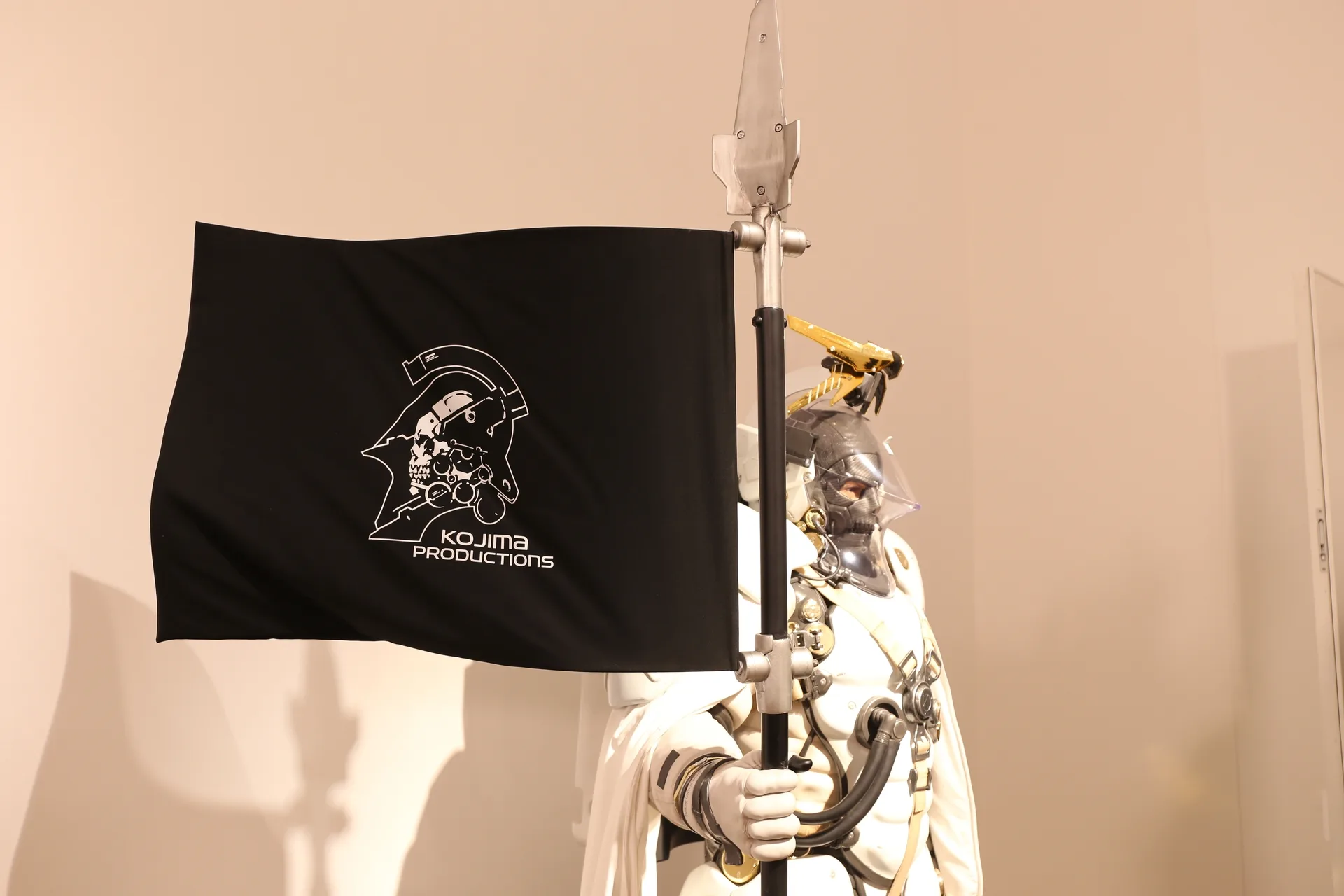
In the center of the venue is a 360° video installation of “DEATH STRANDING 2” on a 6-meter diameter screen, beneath which three life-sized statues created specifically for this exhibition exude a powerful presence.
What particularly caught our attention this time was the VR experience content produced by Niantic Spatial (※Participation requires a purchase of merchandise totaling 10,000 yen (tax included) or more, on a first-come, first-served basis). By wearing a VR headset, you can relive the history of Kojima Productions. Since it only involves simple actions such as pressing buttons with your bare hands, even VR beginners can easily enjoy it.
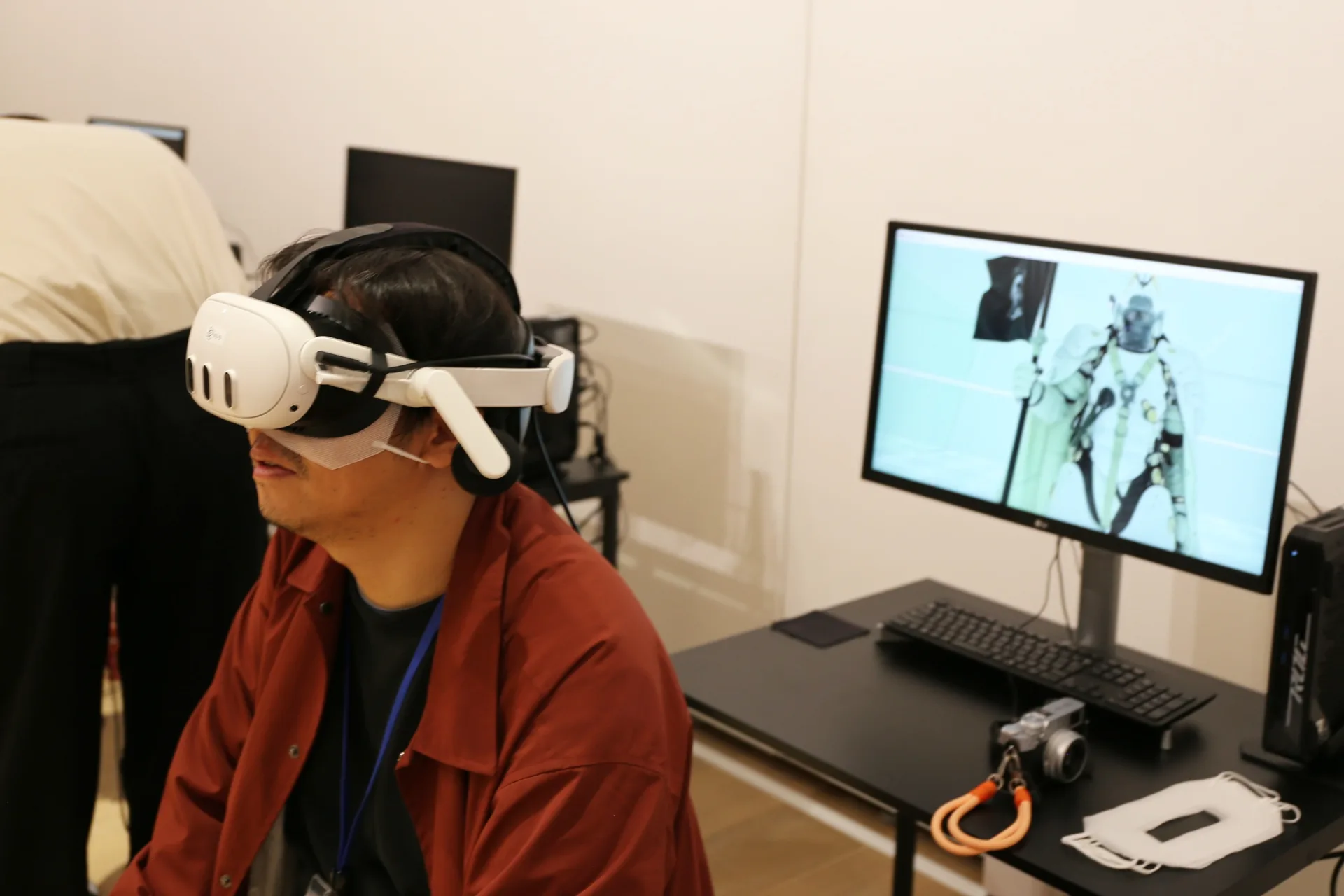
The presentation of this virtual content was incredibly rich and elaborate. The interior of Kojima Productions’ actual office was 3D scanned and recreated using 3D Gaussian splatter technology (details here), resulting in extremely high definition. The feeling of actually standing inside an office that the average person would never have the opportunity to visit is truly unique.
Furthermore, the narration by Tsuda Kenjiro, the voice actor for Sam, the protagonist of the Stranding Death series, was moving, making it feel like I was experiencing a luxurious tour. It was a very satisfying VR experience.
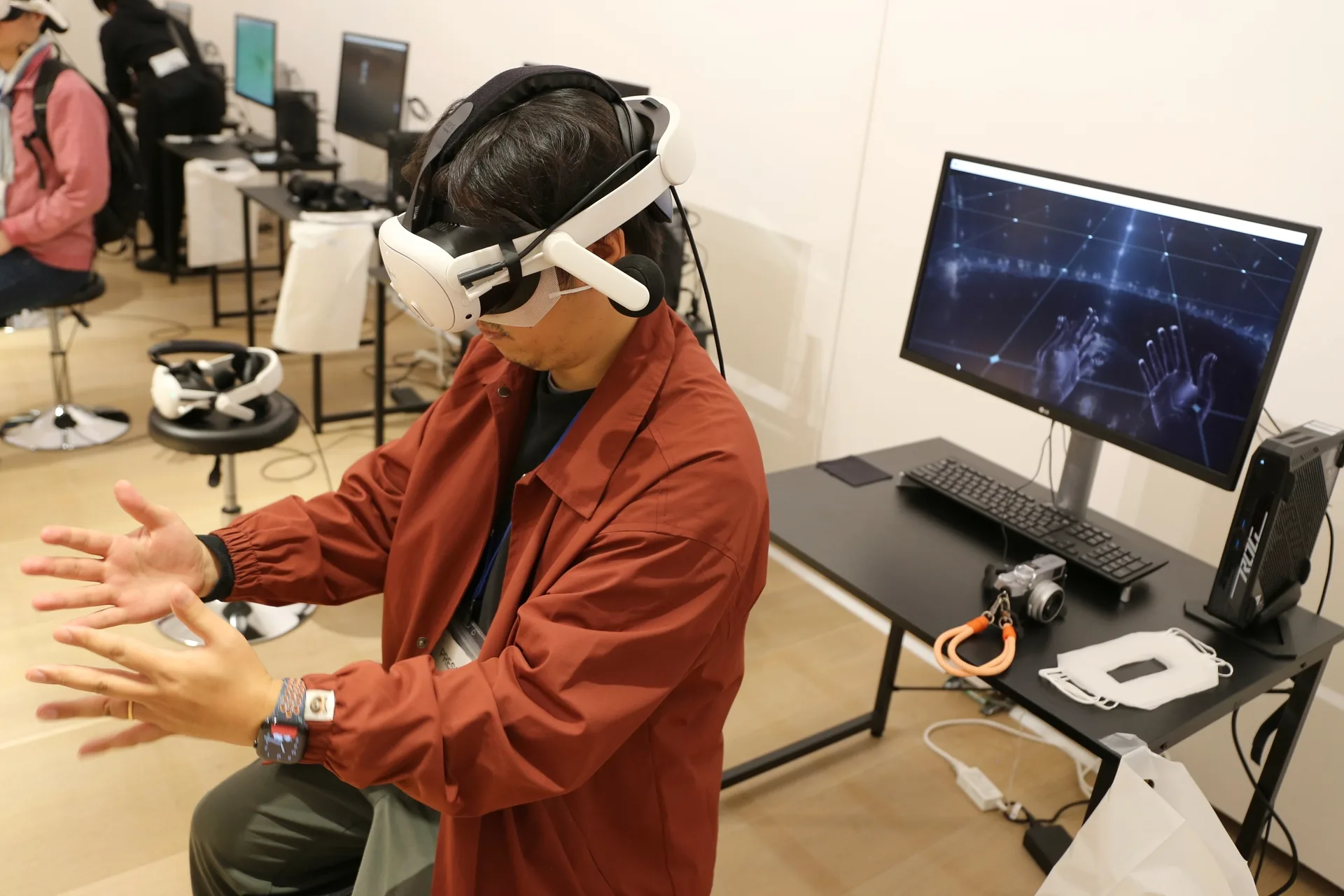
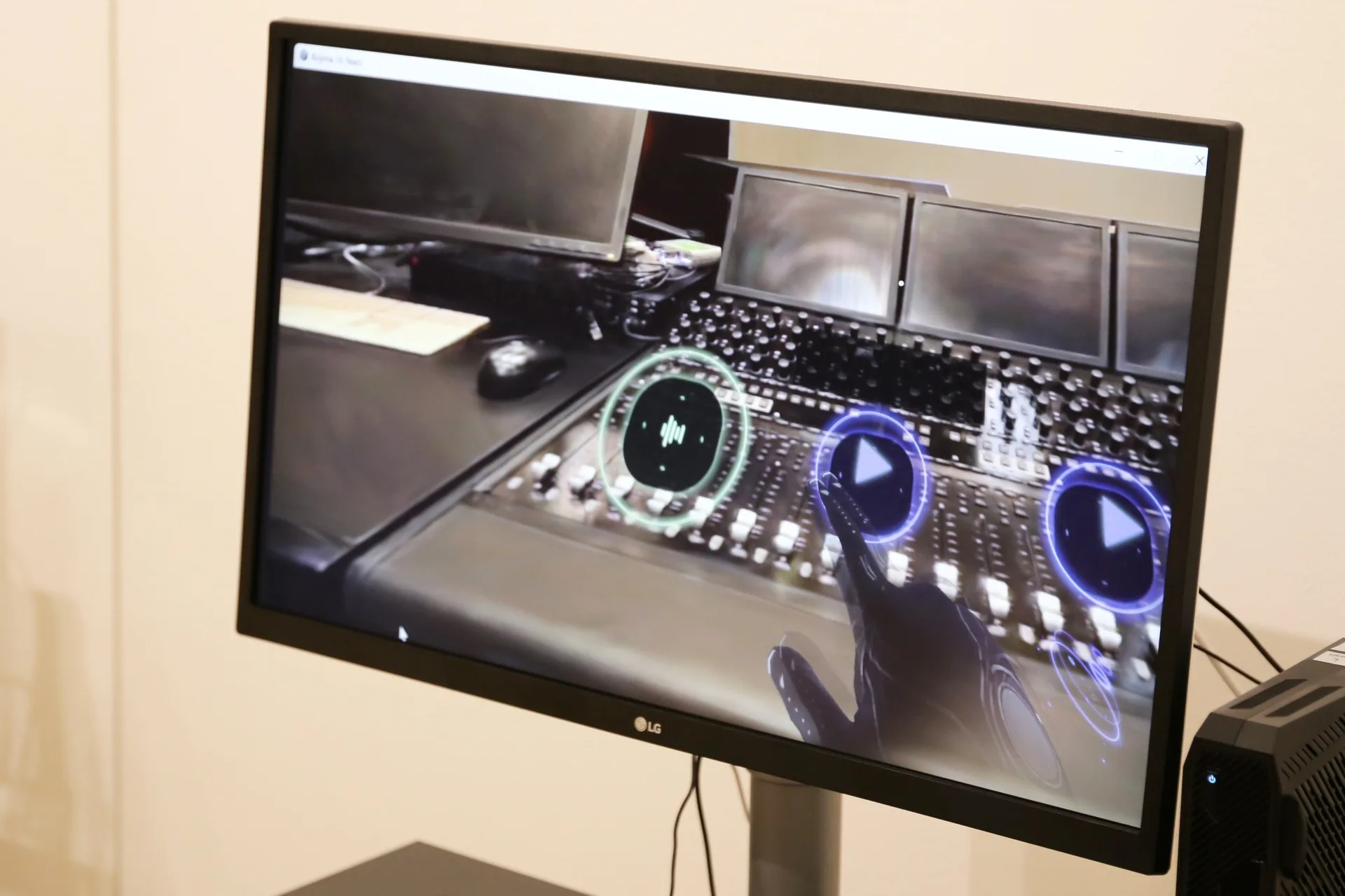
While Kojima Productions has no prior experience creating VR games, director Hideo Kojima himself has frequently expressed interest in VR in interviews, and ten years ago he even served as an advisor to the VR studio Prologue Immersive.
So, how does director Hideo Kojima view technologies like VR and AR right now? The answer became clear during a media interview held at the preview event.
A world where the boundaries of everything disappear, and we go beyond the confines of the device.
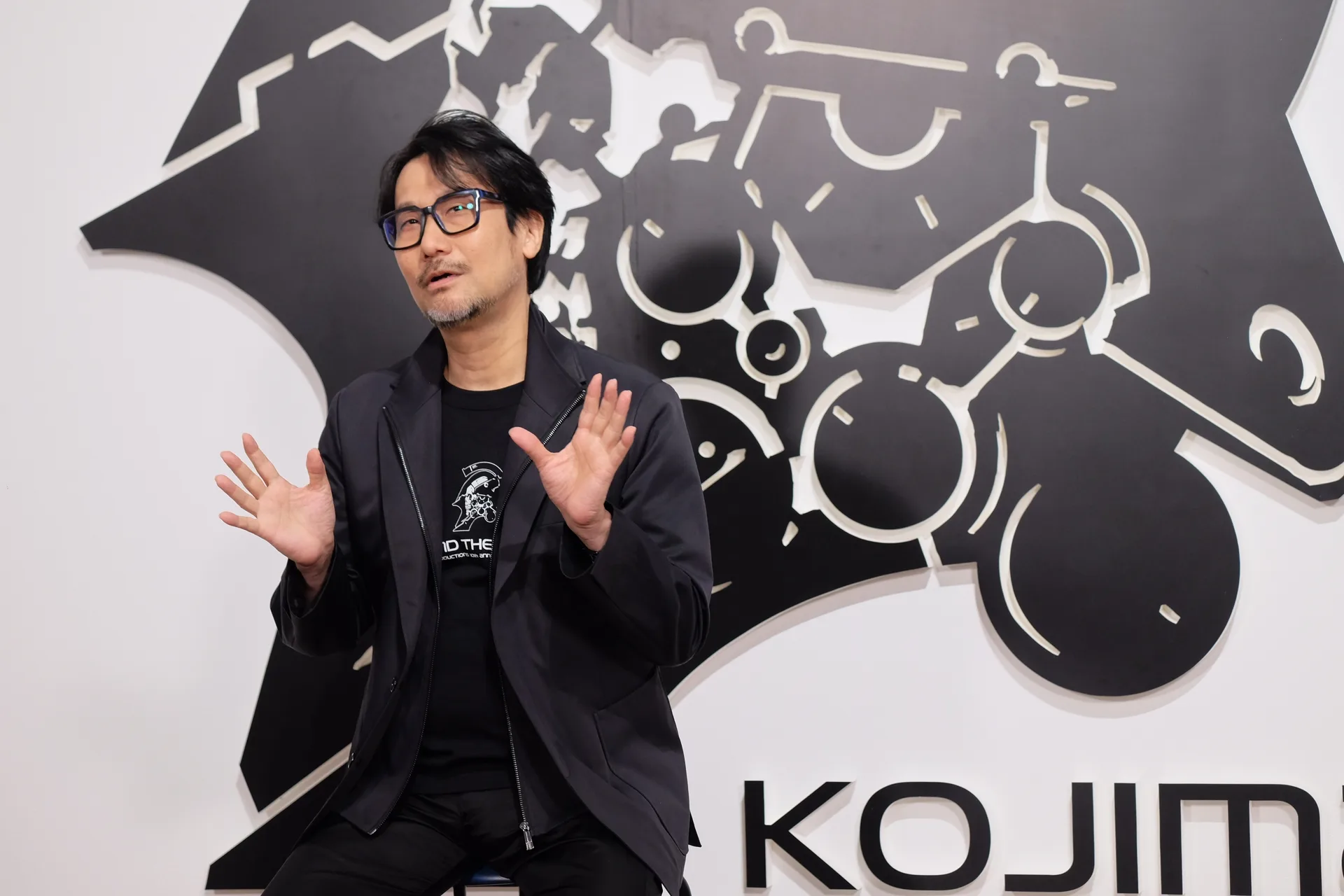
“Playing games is fun, but creating them is even more fun.”
During the Q&A session at the preview, director Hideo Kojima himself spoke about the past 10 years, the changes in the production process in recent years, and his outlook for the future. The final question posed was, “What kinds of expressions and experiences will you pursue in the future?”
Director Kojima then positioned his current projects, “OD” and “PHYSINT,” as the second phase of production, and pointed out the “closed space” nature of traditional games. He then spoke of a future for entertainment in the third phase, where games and people’s daily lives become seamlessly integrated through technologies such as augmented reality.
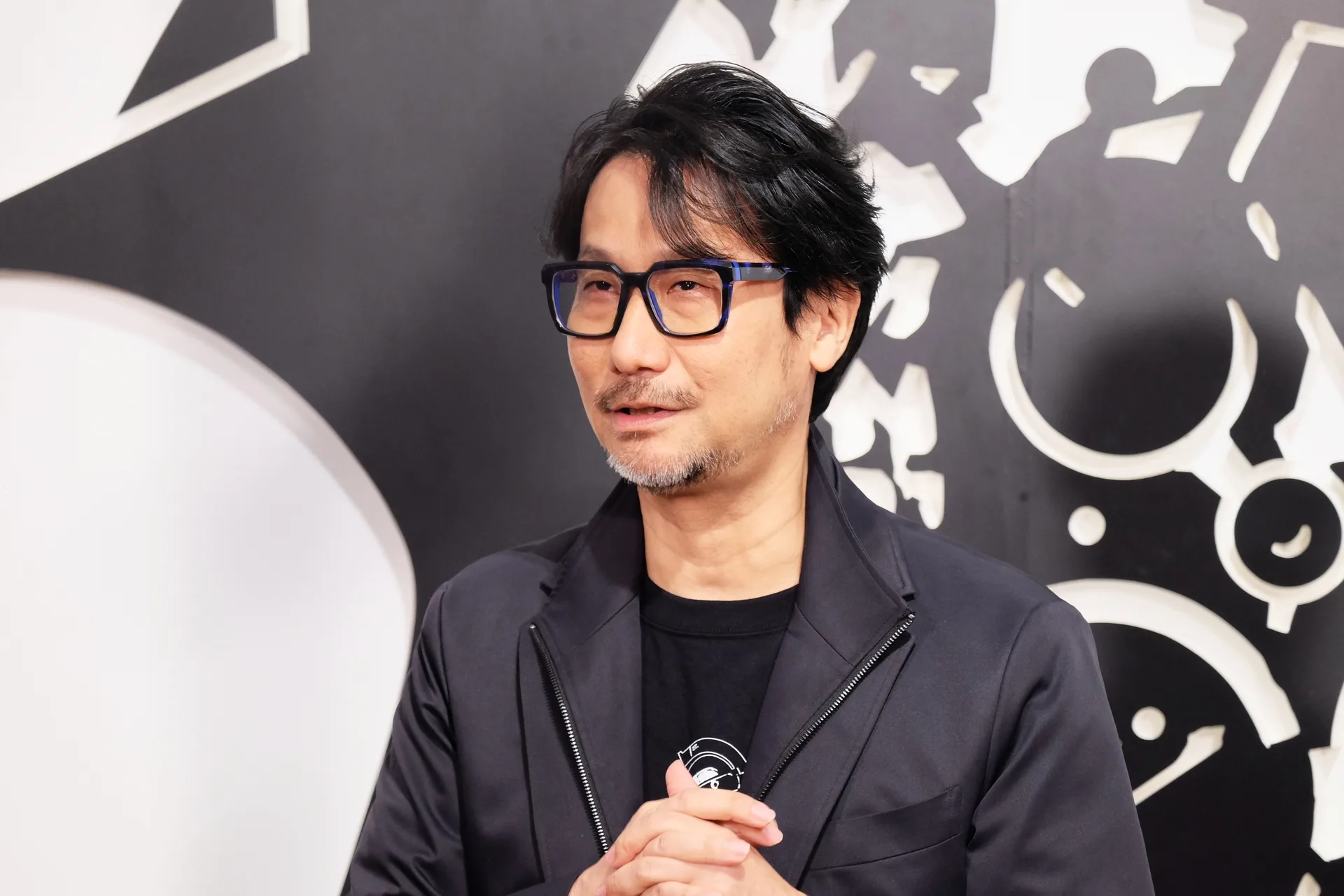
“In the third phase, we’re working with Niantic Spatial on AR, which is like a metaverse for games… Games used to be closed spaces, right? You could play and connect within those games. But I think in the future, AR will dominate everyday life. The boundaries between what’s in games, movie theaters, TVs, and smartphones will gradually disappear.”
“I think that the boundaries between everything—not just entertainment, but education, healthcare, fashion, music, and so on—will disappear and come outside the confines of the device. A future is coming where the created and the real world become intertwined. Our collaboration with Niantic is a step towards that future.”
“As those boundaries disappear and connections are made, I think entertainment will become more real. Things like live performances, stage shows, and actual attractions will use digital technology to create entertainment that isn’t just confined to the digital world, but is closer to our own reality. That’s the area I’m aiming for in the third phase.”
Games that were previously confined to the screen now extend beyond the device, blurring the boundaries between gaming and everyday life. This is likely what connects to director Hideo Kojima’s next concept.
And an experience that perfectly embodied these words awaited me outside the exhibition hall.
Azabudai Hills will become a delivery route!? AR app “DEATH STRANDING ODRADEK: TOKYO PROTOTYPE”
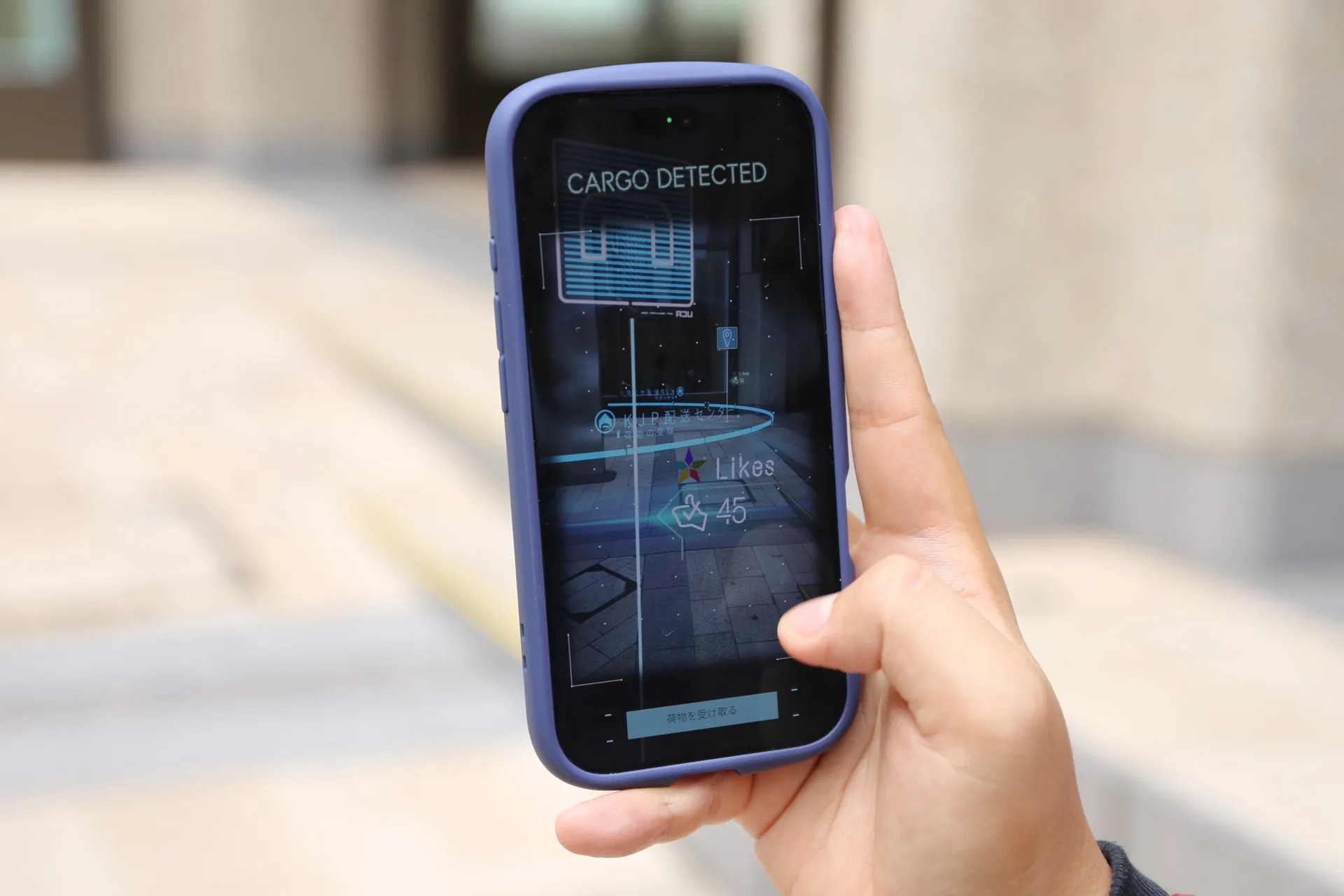
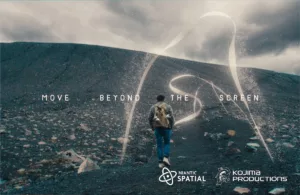
“DEATH STRANDING ODRADEK: TOKYO PROTOTYPE” is a location-based augmented reality (AR) app jointly developed by Niantic Spatial and Kojima Productions.
This game can only be played in the area around Azabudai Hills, where the exhibition is held, and will run from October 31st to December 20th, 2026, coinciding with the exhibition’s run. A special QR code will be distributed to visitors, allowing them to install the app and experience the game (compatible with iOS and Android).
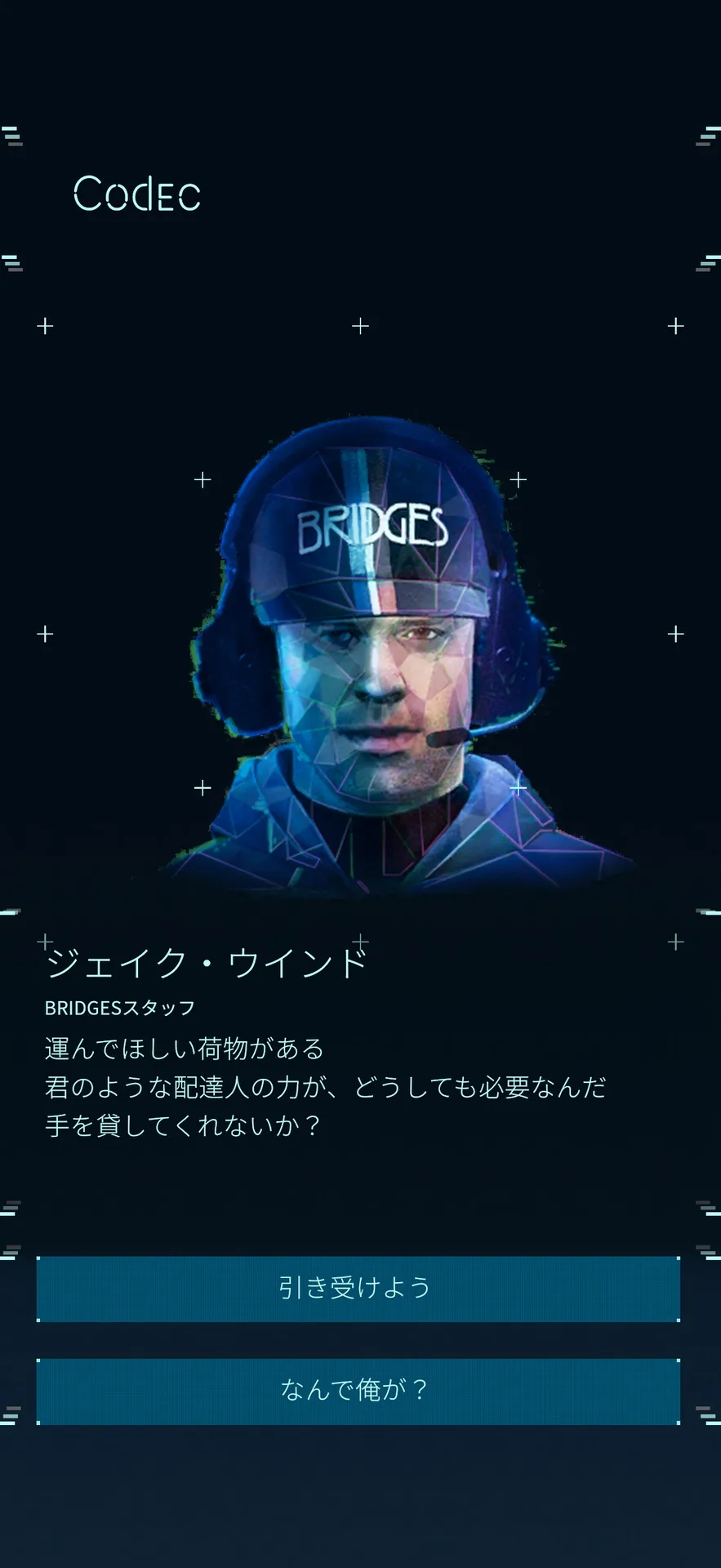
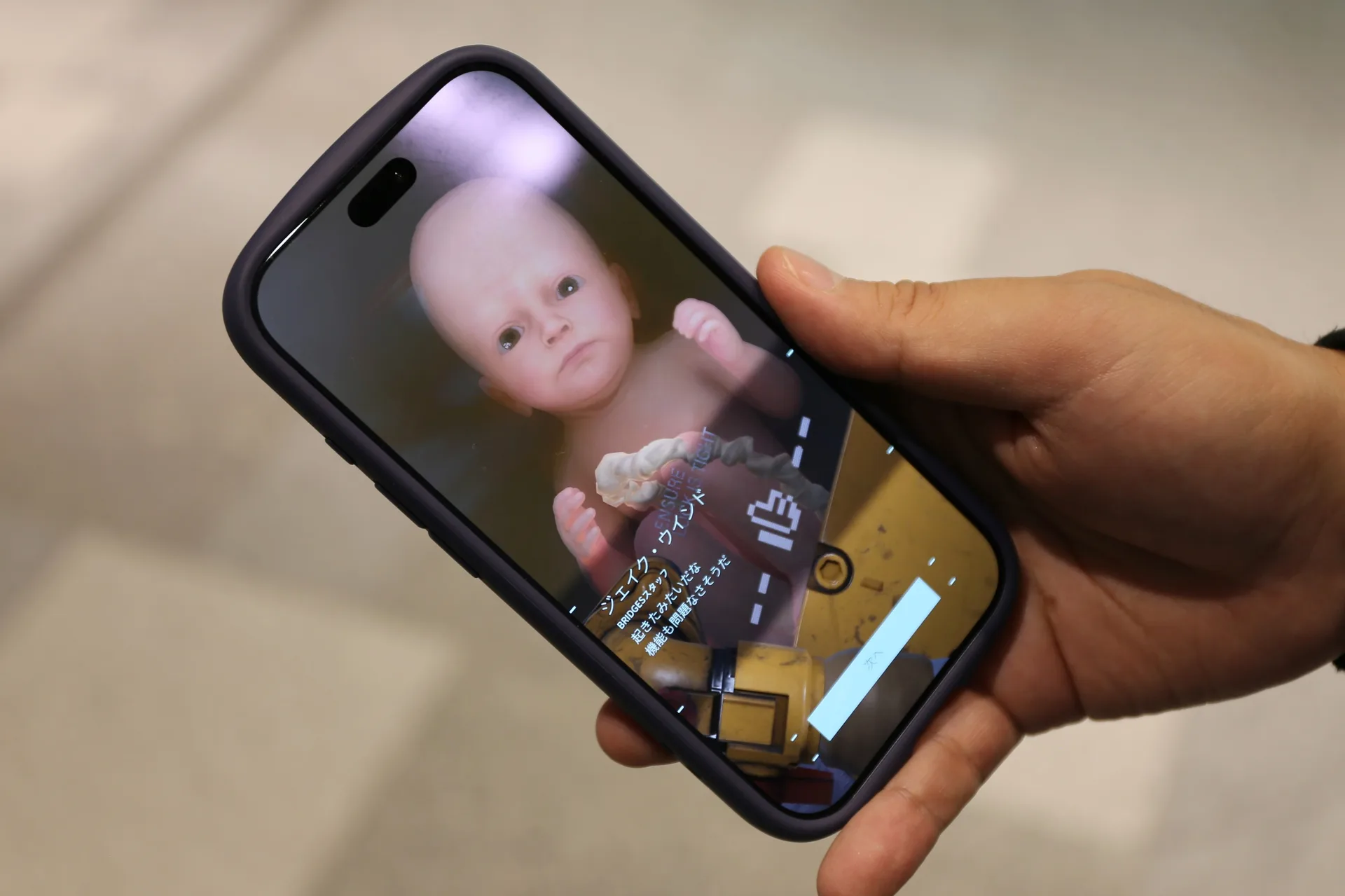
The experience begins with a communication from Jake Wind, who also appears in the game. You receive a request on a screen reminiscent of the radio communication in the main game, and accept the package, “KJP Record Documents.”
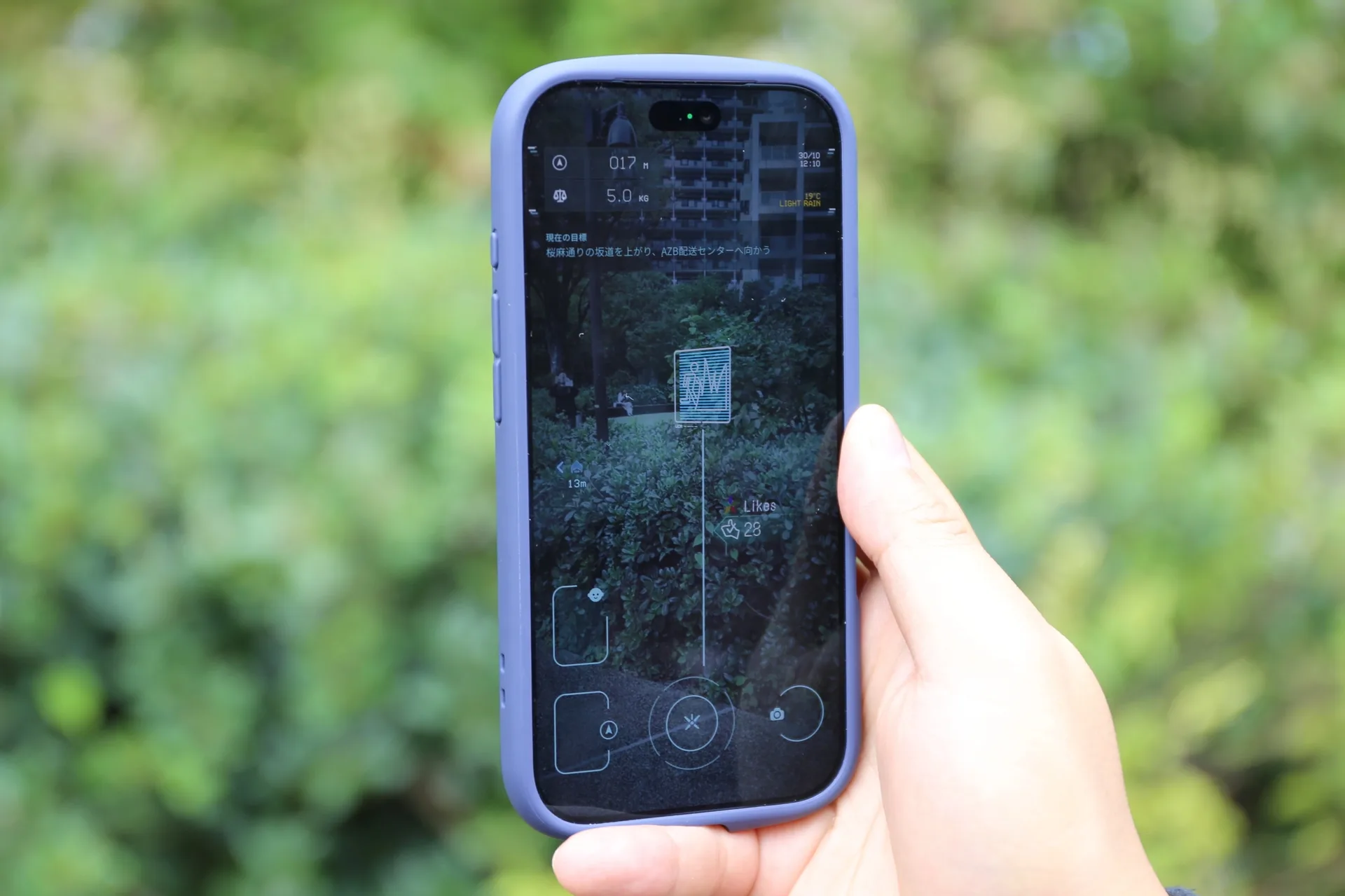
After receiving your package, you head outside Azabudai Hills towards the destination shown on the screen. The UI and presentation, including the display of distance to the destination and the weight of the package, are straight out of the world of “DEATH STRANDING.” Along the way, there are moments where you can soothe BB by touching the BB displayed on the screen or shaking the device.
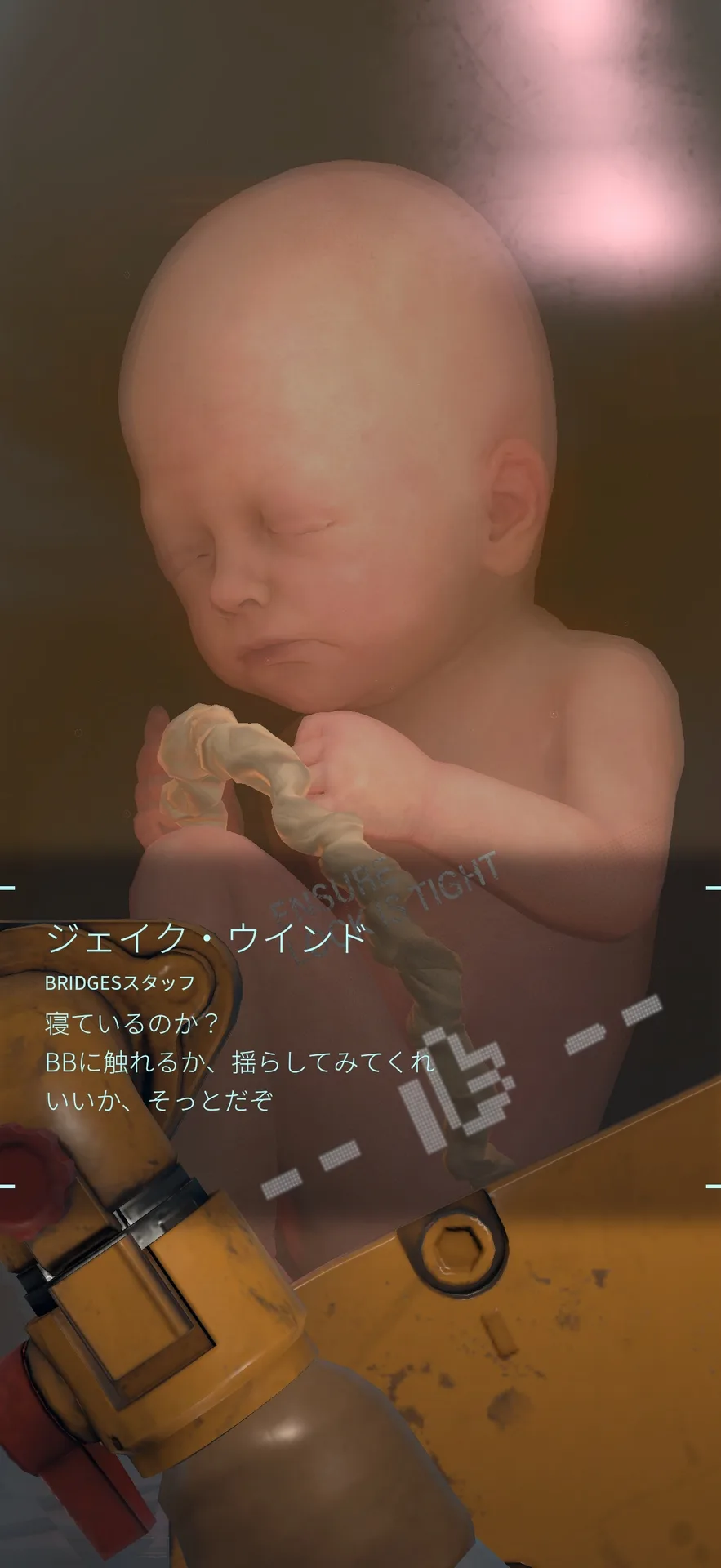
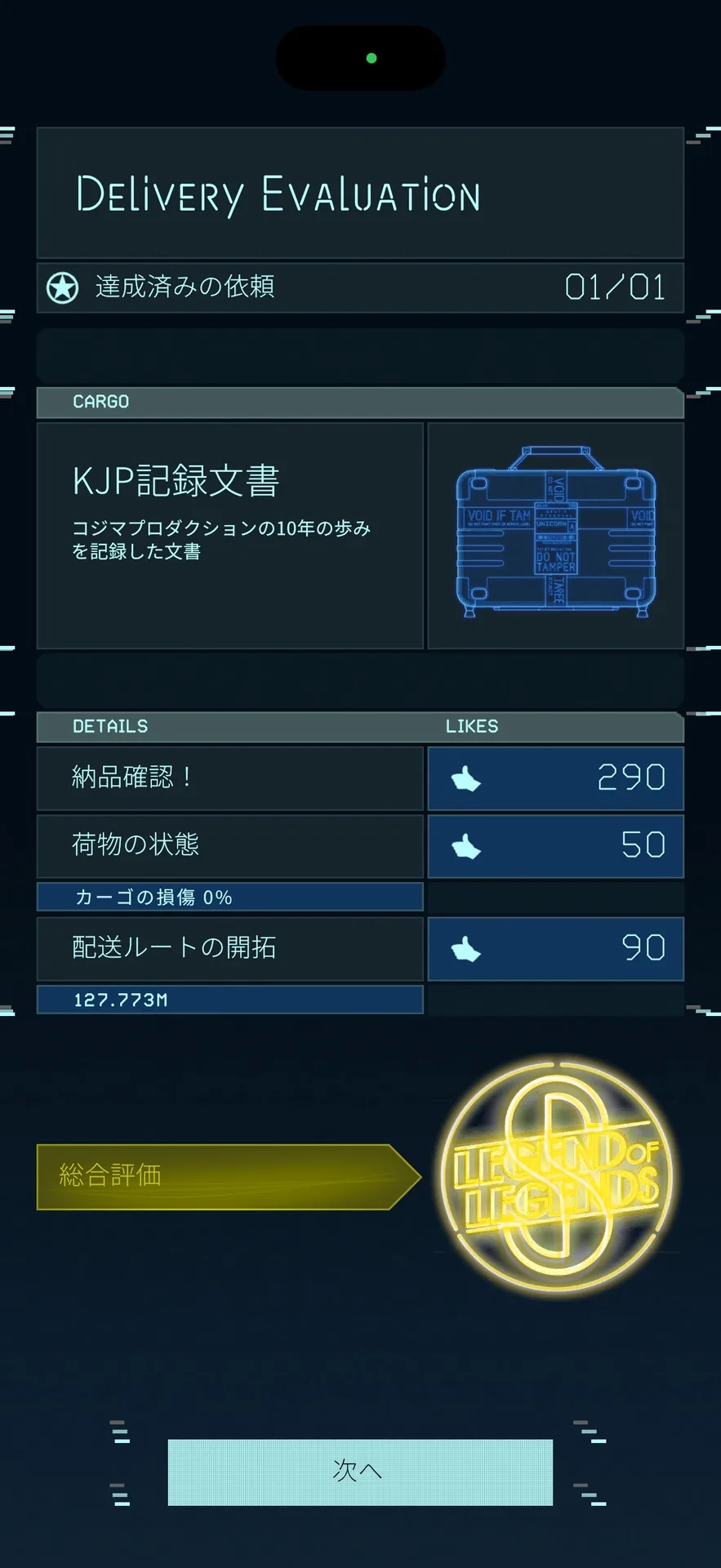
Upon arriving at the destination, you tap a landmark symbol to complete the delivery. This experience of “walking through a real-world city aiming for a real-world symbol” is reminiscent of Pokémon GO, which was developed using technology provided by Niantic. The game even replicates the system where “likes” are tallied for each item, such as delivery confirmation, package status, and delivery route development, and an overall rating is given.
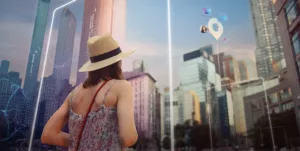
At this point, the reporters were already excited, saying, “We can experience ‘Death Stranding’ in a real city!” But the ultimate highlight was the effect of sensing the approaching presence of BTs. Rain began to fall on the real world visible through the smartphone screen, black handprints appeared, and the surreal began to encroach.
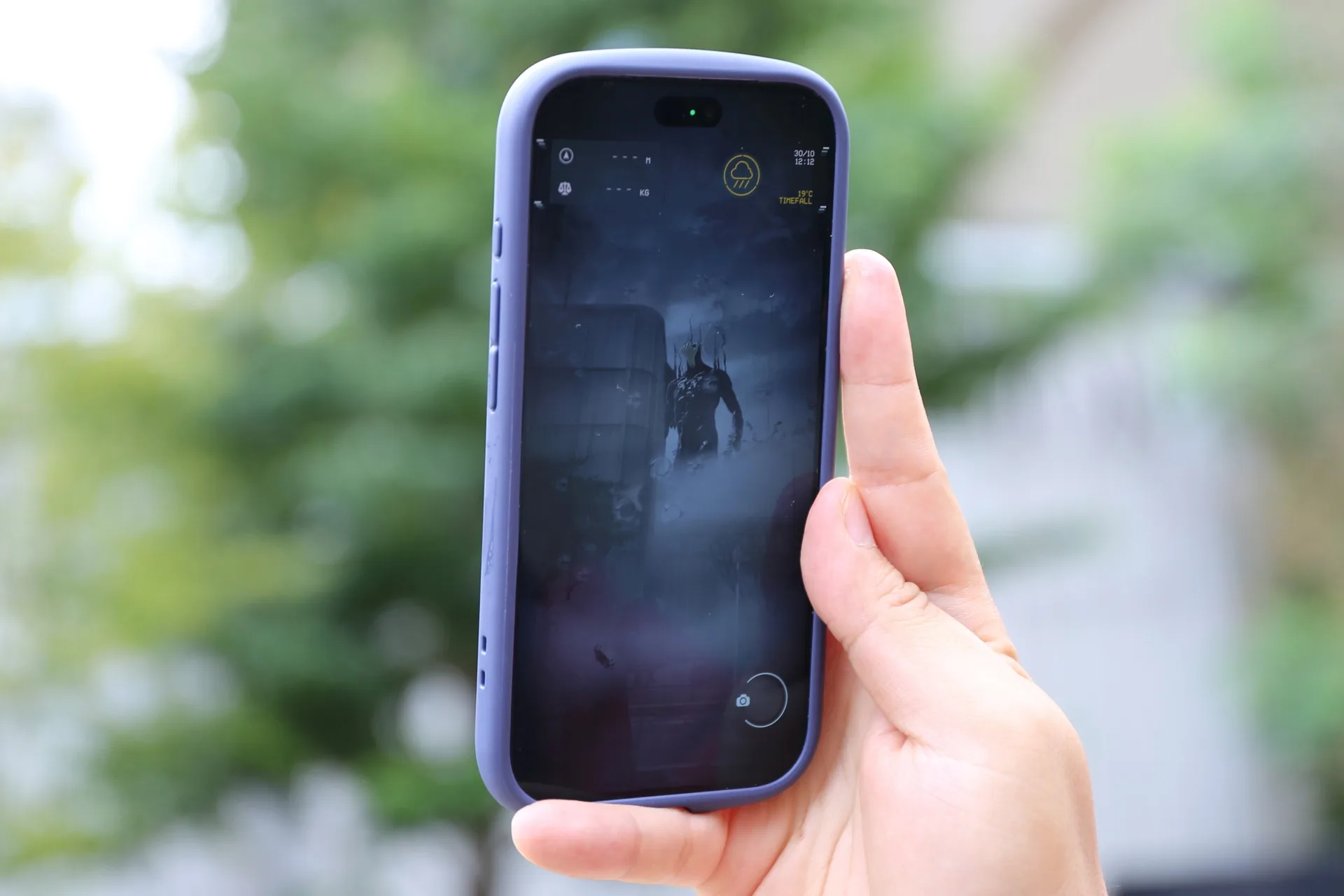
The expression of smartphone AR, which “overlays special effects onto the real world seen through the camera,” is no longer uncommon. However, there are also aspects that make it difficult to create a rich and effective presentation in games, such as when characters appear to float in the scenery or when the presentation feels cheap.
However, the presence of BT that I saw through the screen during this experience completely overturned my previous impression that “smartphone AR is a little underwhelming.” Combined with the effects applied to the entire screen, BT blended into the scenery surprisingly well, and there was almost no sense of incongruity even on the well-maintained streets of Azabudai.
Before arriving, I had only expected a small AR experience related to the exhibits, but my expectations were pleasantly exceeded.
Although the experience was short, it was remarkable because it not only brilliantly translated the “delivering packages to their destination” gameplay of “DEATH STRANDING” into real-world walking and physical sensations, but also allowed players to experience the threat of BTs in a truly “realistic” way. Anyone who has played the main “DEATH STRANDING” game should definitely go and try it out for themselves.
The first step in unleashing the closed-off gaming experience into everyday life.
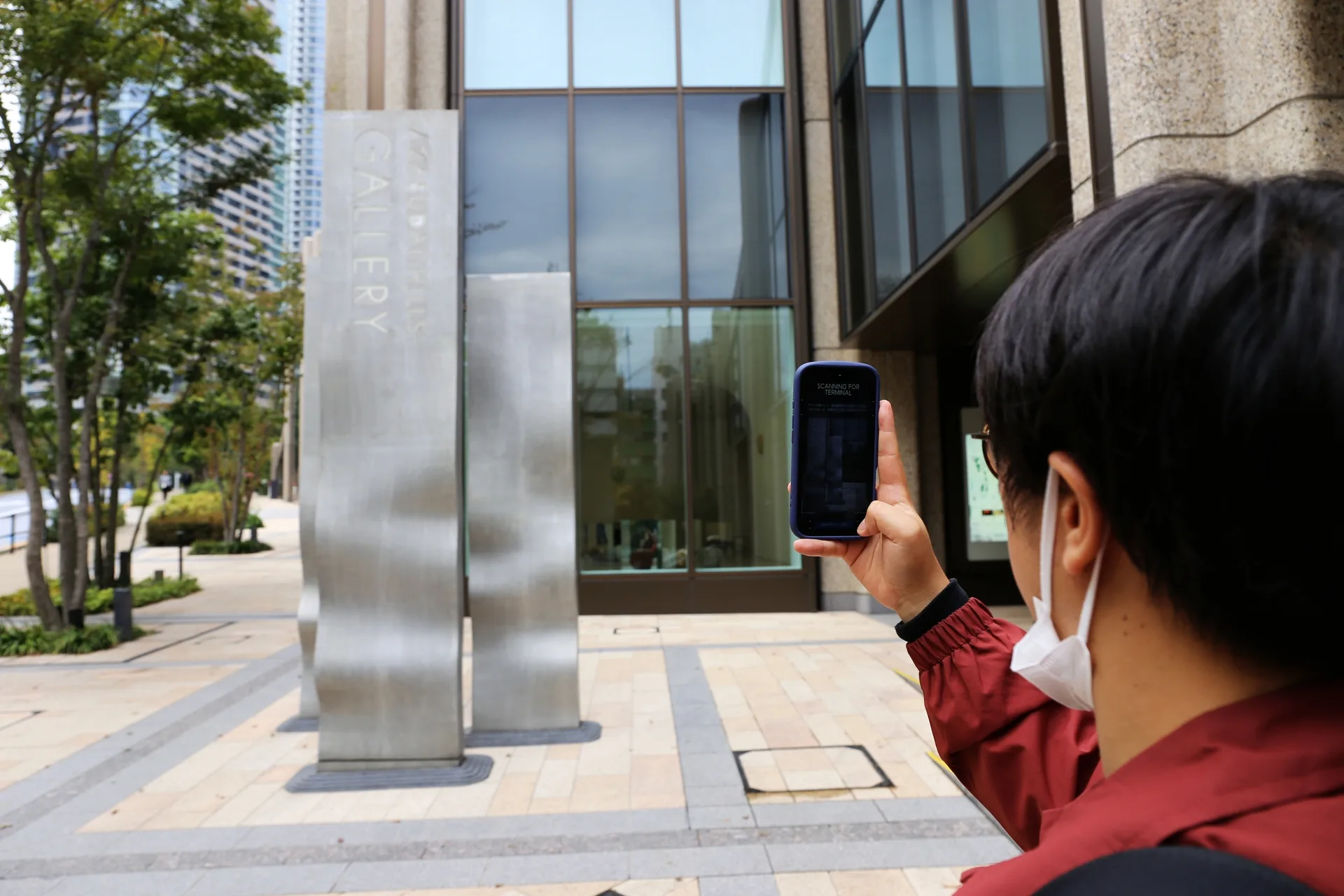
The AR app provided an unexpectedly immersive experience, but the technical partnership between Niantic Spatial and Productions Kojima was not announced until September 2025. As mentioned in the representative’s questions, Director Kojima also spoke at the time of the announcement about unleashing the game experience, which had previously been confined to the screen, into the real world.
The AR app that was released this time was truly the first step in extending the “DEATH STRANDING” gaming experience into everyday life. The app is titled “TOKYO PROTOTYPE,” but what will happen next? We spoke to representatives from both Niantic Spatial and Kojima Productions to find out.
—Could you tell us how you came to create AR content for this exhibition?
Niantic Spatial representative:
Following the announcement of our partnership with Productions Kojima, both companies have been exploring what we can do together, and this app is the first result of that effort. For the 10th-anniversary event, we wondered if we could bring the world of ‘DEATH STRANDING’ into the real world, and so we developed this together.
—I imagine the preparations must have taken a considerable amount of time.
Niantic Spatial representative:
This app is being developed with the help of a team called Liquid City, who are from the UK. The guy next to me is one of their engineers, and he’s been working on this development non-stop for the past month or two.

—To be honest, I didn’t expect to have an experience of this quality.
Niantic Spatial representative:
Thank you. “DEATH STRANDING” is a work that has a very high affinity with the real world, and Director Kojima has previously explored how to combine the real world and games and blur the boundaries between them in works such as “Bokura no Taiyou” (*), so I think this attempt was a perfect fit.
(*Bokura no Taiyou is an action RPG for the Game Boy Advance released in 2003. It features a sensor in the cartridge that detects sunlight (ultraviolet rays), and “sunlight” affects gameplay.)
Kojima Productions representative:
With the idea of ”creating a pilot version for future AR experiences,” we combined our ideas with Niantic Spatial’s to create this app for our 10th-anniversary exhibition. I believe we were able to release a higher-quality version of this “delivery” themed experience.
—Will these kinds of initiatives continue in the future?
Niantic Spatial representative:
If this app is well-received, I think we can do even more things. We’ve already received some wonderful feedback and comments, so I’d be happy to continue this in the future. It would be great if the experience here makes people remember this place every time they pass by (laughs).
We believe that by creating an experience where another layer is superimposed on reality in this way, players will feel that the world of “DEATH STRANDING” is even more integrated into their everyday lives. We hope you will look forward to what’s to come.
Visualizing and implementing “connections” through technology.
Looking back on this exhibition, what left the strongest impression on me was not just the abundance of production materials, but the thorough commitment to “how to allow visitors to experience the world of the artwork.”
The 360° installation immerses the viewer physically into the video, AR transforms a real city into a game space, and VR invites users into a real-world studio. In each case, it can be said that the exhibition uses technology to put into practice the theme of “connection” that has been central to “DEATH STRANDING.”
The kind of entertainment that Kojima talks about, which “goes outside the terminal” and “gets closer to your own reality,” is not a distant fantasy of the future, but has already begun. Those who walked through Azabudai Hills to deliver packages may remember the black handprints every time they walk that street, even after the exhibition has ended. The greatest takeaway from this exhibition was the experience of having game memories imprinted in a real place, and witnessing its prototype.
Whether “DEATH STRANDING ODRADEK: TOKYO PROTOTYPE” will expand beyond Tokyo and into our daily lives remains to be seen. Nevertheless, the positive words of both staff members and the tangible positive feedback gained in Azabudai certainly raise expectations. We eagerly await further updates on its development.
Event Overview
- Exhibition Title: KOJIMA PRODUCTIONS 10th ANNIVERSARY EXHIBITION “BEYOND THE STRAND: A Voyage of Creation and Challenge”
- Exhibition period: October 31, 2026 (Sat) – December 20, 2026 (Sun). Open every day during the exhibition period (tentative).
- Venue: Azabudai Hills Gallery (Azabudai Hills Garden Plaza A, MB Floor, 5-8-1 Toranomon, Minato-ku, Tokyo)
- Opening hours: Monday to Friday 12:00 to 20:00 / Saturday, Sunday, and public holidays 10:00 to 20:00 (last entry 19:30)
- Admission fee: 2,600 yen in advance / 2,800 yen on the day (A preview admission ticket is required from October 31st to November 3rd)
- AR Experience “DEATH STRANDING ODRADEK: TOKYO PROTOTYPE”: Available for experience around the venue during the event. Participation details will be provided on-site.
- Official website: https://beyondthestrand.kojimaproductions.jp/ja/
- Official X: https://x.com/kjp_bts